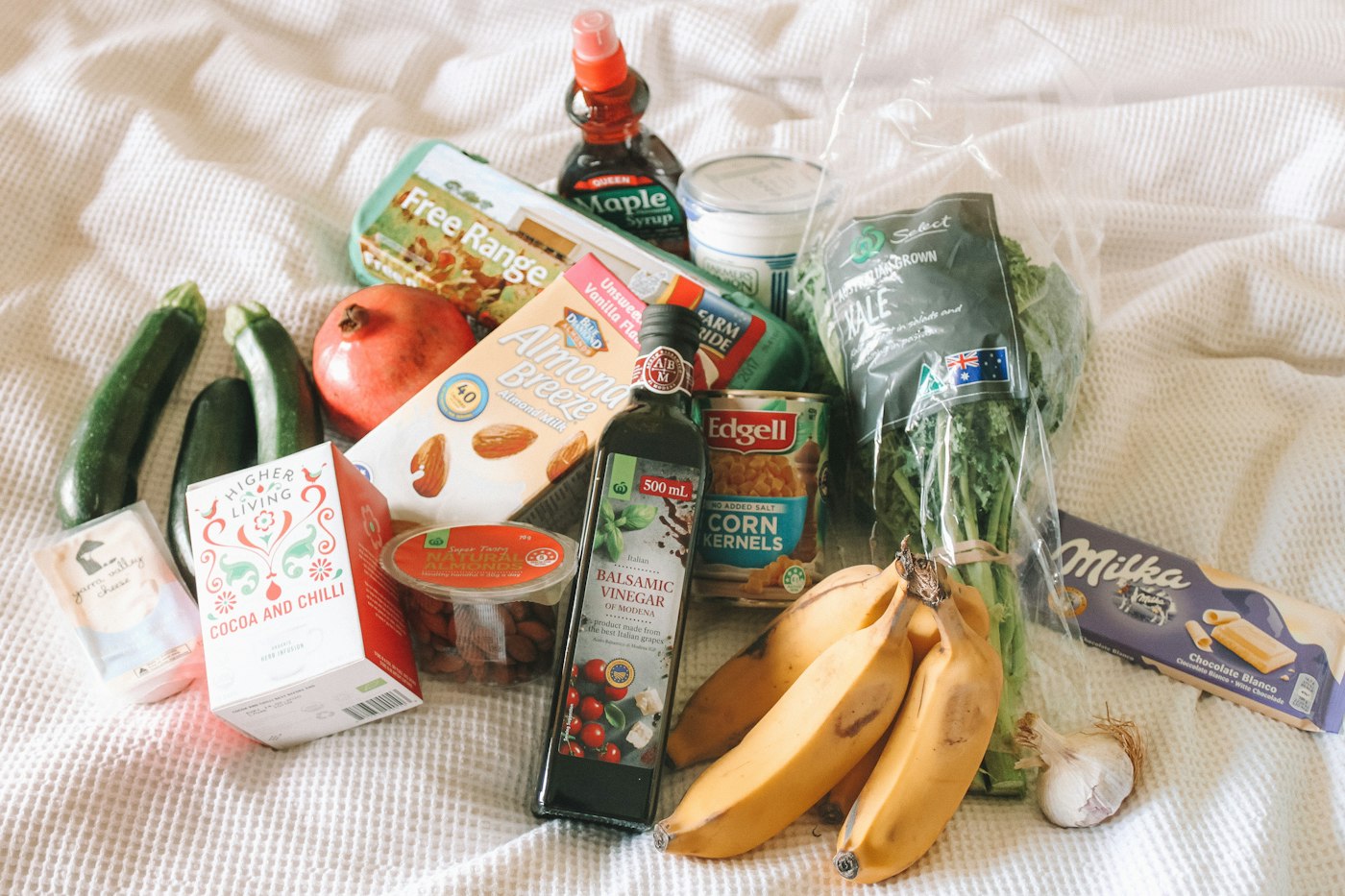
A useful container solves a real problem rather than simply making a purchase look more substantial.
Protection, portioning and presentation
Packaging can prevent damage, preserve a product or make it easier to carry. It can also create an impression of value through layers that serve little practical purpose. These functions are worth separating. A smaller package is not automatically better if the contents arrive unusable, but an elaborate box should not be assumed necessary simply because it makes the first opening feel impressive.
Look at the whole use
Consider what the package does during transport, storage and everyday handling. A resealable container might help someone use a product fully; individually wrapped portions might suit one situation and create unnecessary material in another. The right assessment depends on the actual use rather than a single visual rule. Convenience deserves evaluation, not automatic praise or automatic rejection.
Design the end as carefully as the beginning
A package may be attractive at opening but awkward to flatten, separate or reuse. Local disposal arrangements also vary, so a broad recycling symbol cannot answer every practical question. Businesses can reduce confusion by explaining materials plainly and avoiding unnecessary combinations. Keeping a useful container is reasonable when it has a genuine role; accumulating dozens of empty boxes is not a requirement for making a responsible purchase.
The best package makes the product easier to use without asking the packaging to become the product.
A thought to take with you
Consumers should not need specialist knowledge to understand a container’s purpose. Clear descriptions and straightforward disposal information make practical choices easier than a collection of vague environmental claims.
An opinion essay prepared by The Everyday Observer with AI assistance, not a field report or survey. Images illustrate themes rather than specific people or events.