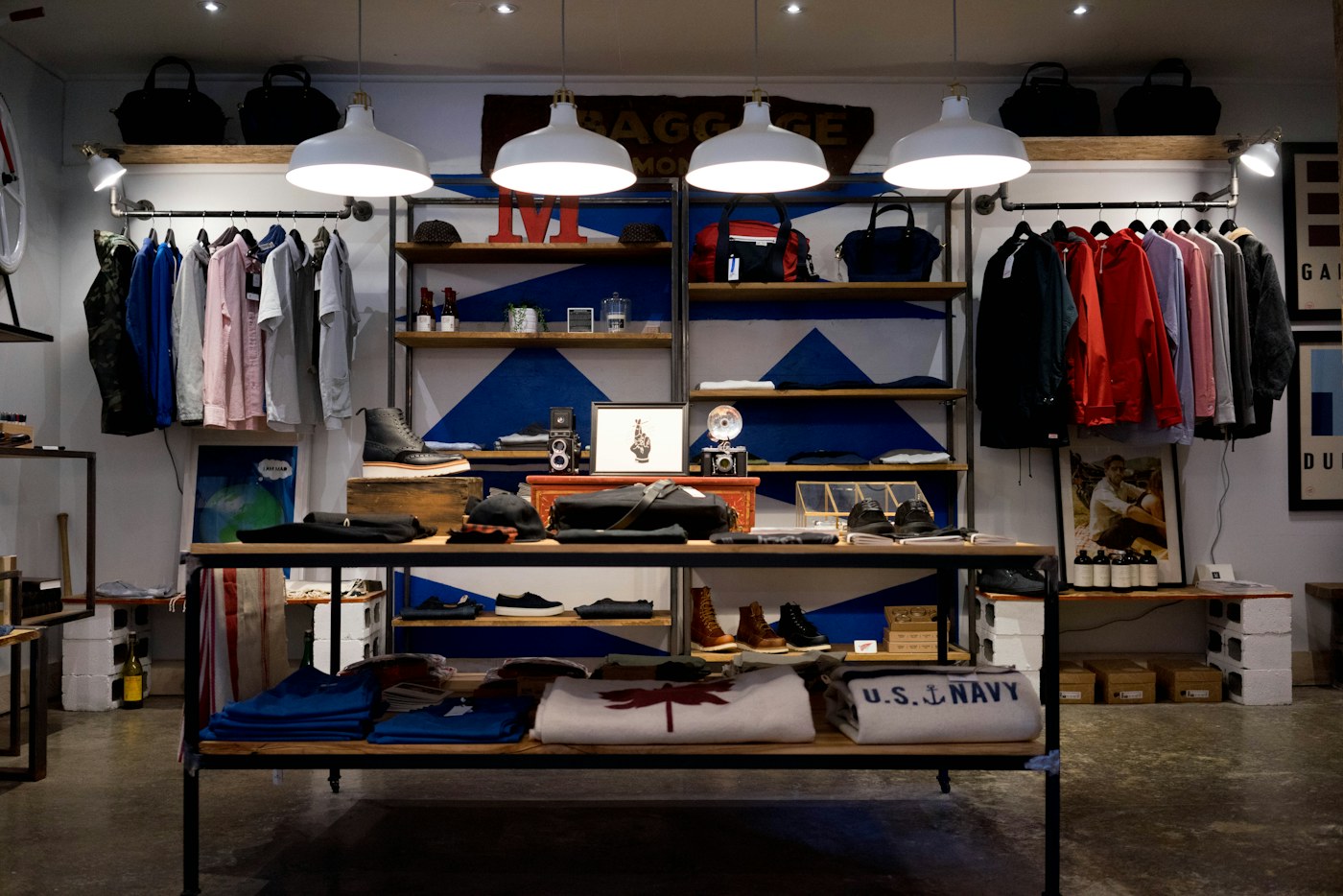
Moving from what everyone wants to what you actually need can be a meaningful change of priorities.
Price is only part of value
A discounted coat you never wear still wastes money. A more expensive chair used every day might make life noticeably better. Judging quality of life by the price of each purchase misses how much use, comfort or pleasure an object actually provides. Consumption does not have to be a contest of constant upgrades.
Leave a little space before buying
For a nonessential purchase, try waiting overnight. Picture where you will use it and what, if anything, it will replace. The point is not to deny every small pleasure, but to keep a passing impulse from planning your budget. Spending less can also reflect real financial pressure; it should not automatically be dressed up as a lifestyle choice.
A good purchase makes life better after the excitement has passed.
A thought to take with you
Buying fewer things is not inherently virtuous, and buying more is not automatically shallow. The useful question is whether a choice fits your needs and resources, rather than the identity you hope it will signal.
An opinion essay prepared by The Everyday Observer with AI assistance, not a field report or survey. Images illustrate themes rather than specific people or events.