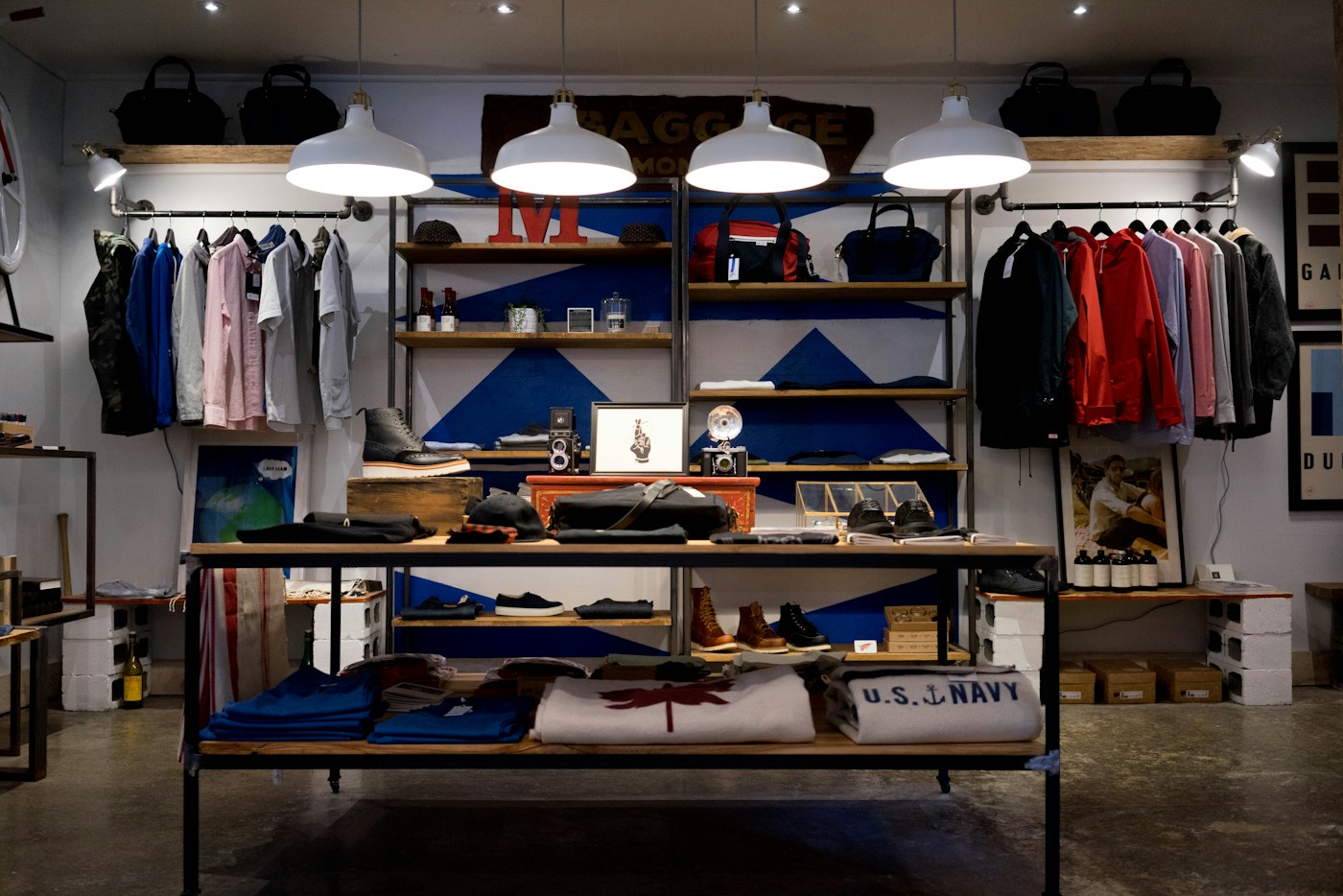
The missing piece may be a connection between the clothes we buy and the lives we actually lead.
Buying for an imagined occasion
Some clothes belong to an imagined version of ourselves: a special event, a different routine, a particular image. They may not fit the commute, the weather or the way we move through a normal day. The fantasy is clear at checkout; practical limitations appear later.
Start with an ordinary week
Look at what you do most often and which clothes you repeatedly choose. Consider whether fit, combinations or difficult care instructions keep other items unused. You do not need to empty a wardrobe to prove you are a minimalist. Making useful clothes easier to find can already remove a surprising amount of hesitation.
Try a small wardrobe experiment
For a week, note which clothes you actually wear and why. Comfort, weather, easy care and a reliable combination may matter more than the qualities that initially attracted you in a shop. Notice items you would wear if a minor issue were fixed, such as a missing button, separately from items that belong to an imagined occasion. This creates several possible actions besides buying or discarding: repair, rearrange, try a different combination or simply stop expecting a particular piece to serve everyday life. Avoid treating the exercise as a rule that every possession must be constantly productive. Some things can have occasional or sentimental value without directing the whole wardrobe.
Good clothes should fit the life you are living.
A thought to take with you
Before buying, name a few things you already own that it works with, and the days you would wear it. If that picture remains vague, a pause may help more than another discount.
An opinion essay prepared by The Everyday Observer with AI assistance, not a field report or survey. Images illustrate themes rather than specific people or events.