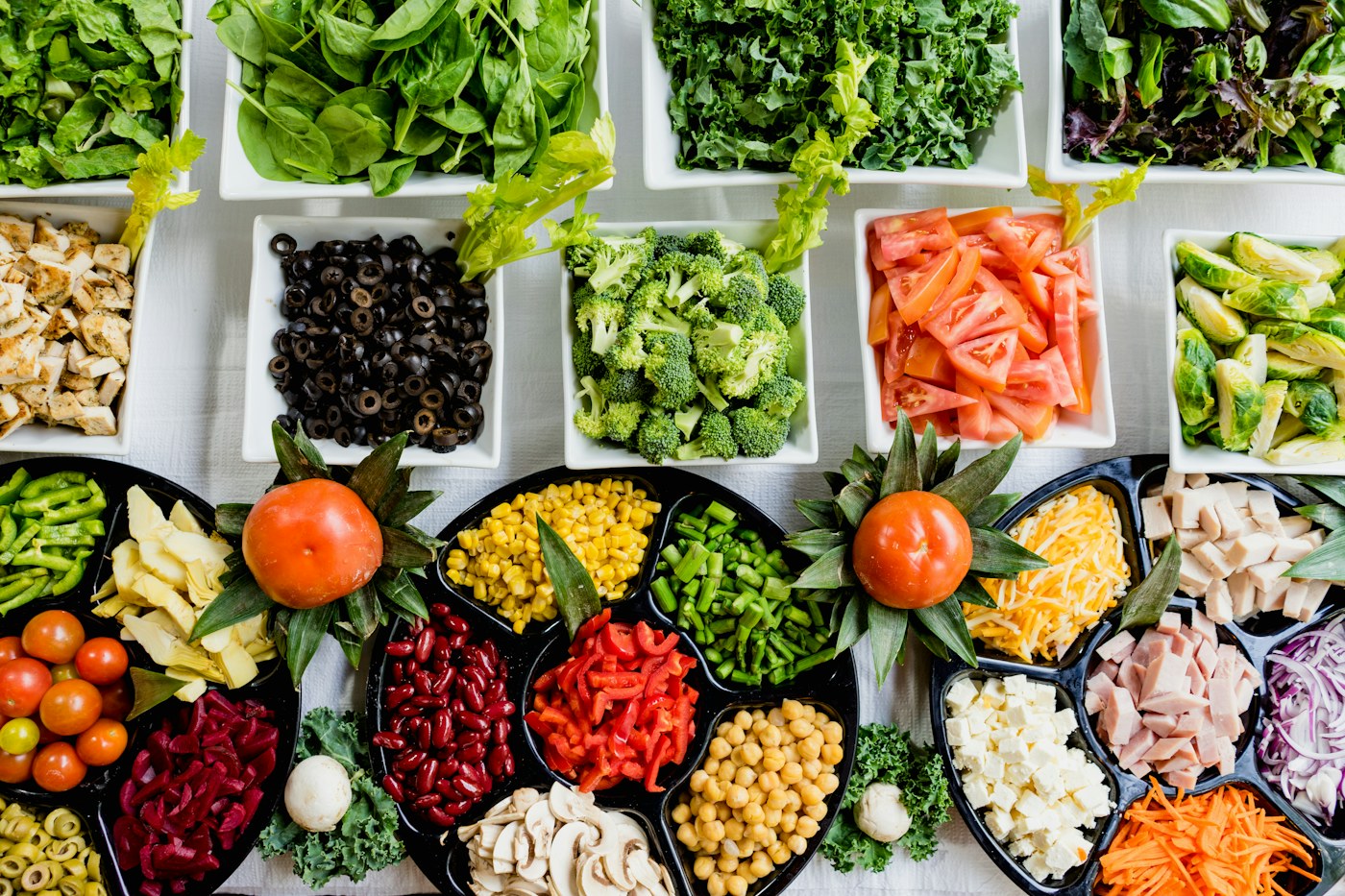
A more deliberate meal does not need elaborate cooking or a perfect photograph.
When meals become gaps between tasks
Eating while looking at a screen can turn lunch into another interval between demands. For people with limited time, that may be a practical necessity, not a personal failure. Still, when circumstances allow, setting aside an uninterrupted moment to eat creates a brief pause in a day of constant responding.
Make it easier, not more impressive
A few familiar foods and a clear table can be enough. Rather than making cooking another performance, address the practical details: what to buy, where to store it and how to use what is left. A routine that works on a busy weekday is often more valuable than an ambitious plan that rarely happens.
Build a routine that survives a busy evening
Think of a meal that can be prepared with familiar ingredients and little decision-making. Keep the necessary steps simple enough that the plan remains useful when energy is low. If other people share the kitchen, agree on who shops, cooks and clears up rather than leaving the whole routine attached to whoever remembers it. A dependable meal is often the result of several small arrangements working together. It should not become another standard against which a difficult week is judged. Some days will still require a different solution, and that flexibility can help the overall habit last longer than a rigid plan that allows no interruption.
Sometimes a little order begins with taking a seat.
A thought to take with you
One meal cannot fix every source of exhaustion. It can, however, remind us that looking after ourselves belongs inside an ordinary day. It is not a reward we must postpone until everything else is finished.
An opinion essay prepared by The Everyday Observer with AI assistance, not a field report or survey. Images illustrate themes rather than specific people or events.