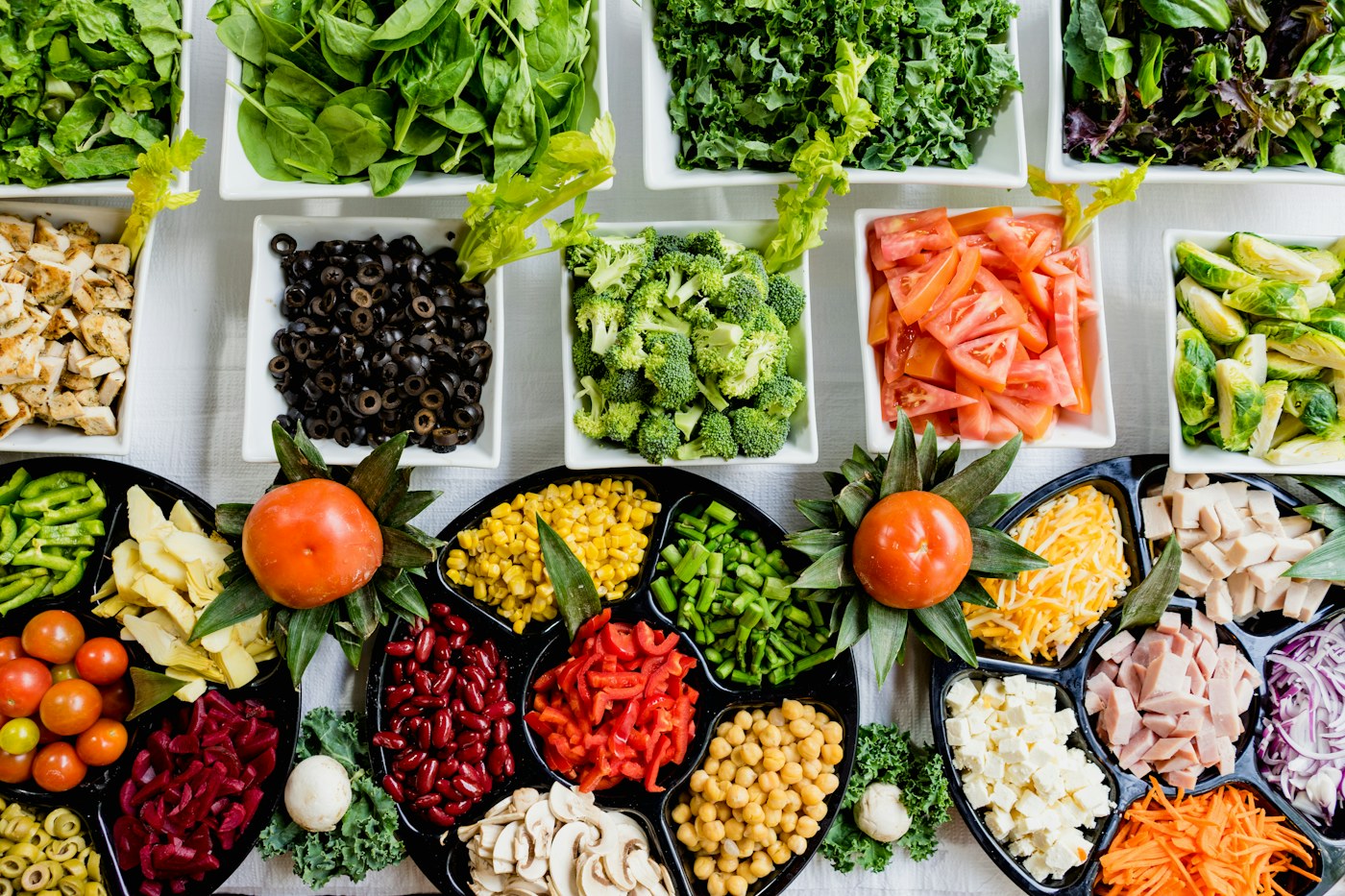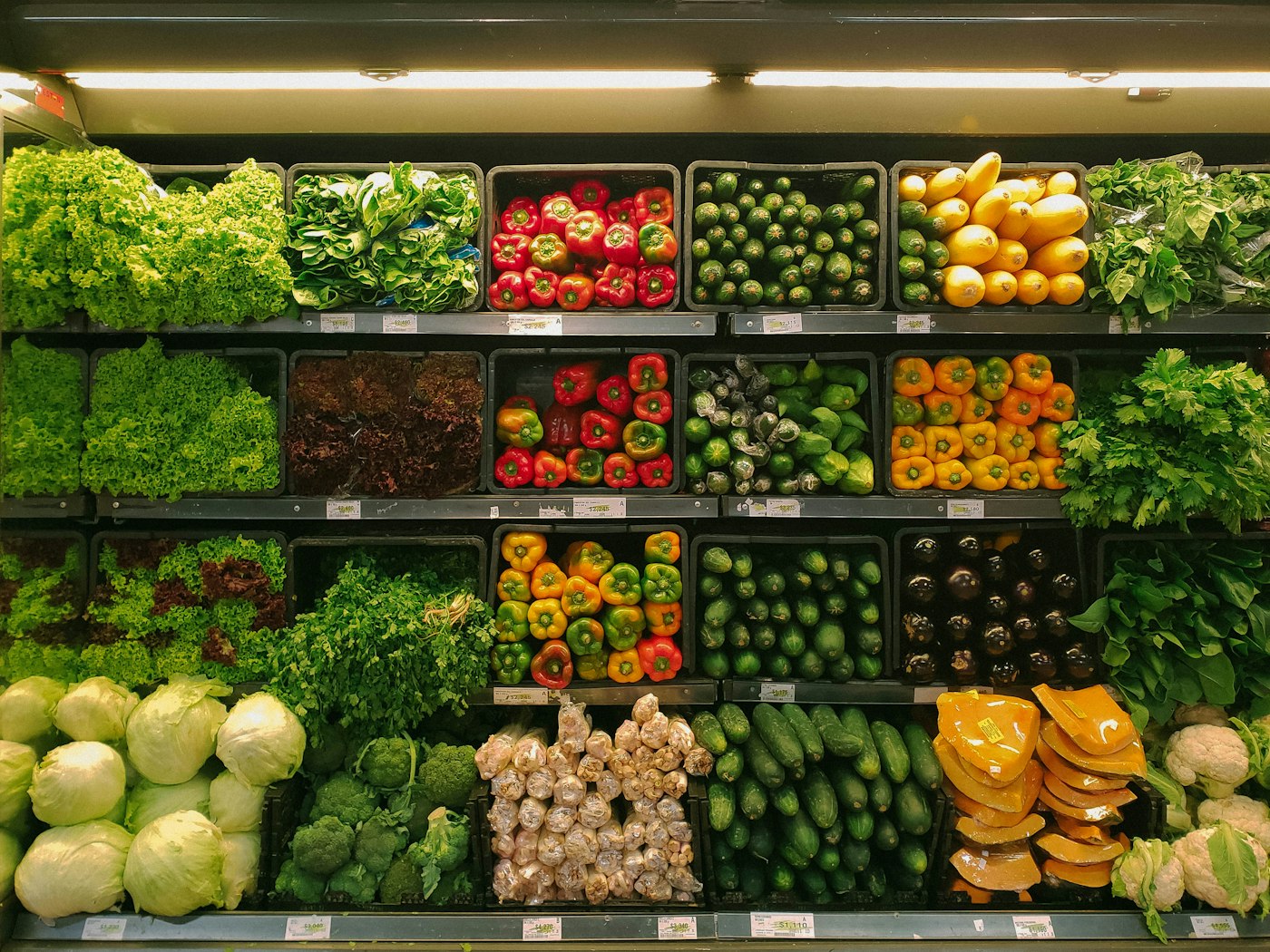
Buying for an actual schedule often works better than shopping for an imagined ideal routine.
The distance between a plan and a fridge
A basket full of fresh ingredients can represent good intentions rather than a realistic week. An unexpected late meeting or dinner invitation changes what will be cooked, while delicate food waits at home. The problem is not a failure of character. It is often a shopping plan with no room for the ordinary uncertainty of daily life.
Plan a few meals, not every possible meal
Start with what is already available and choose a small number of dishes that share ingredients. Leave some flexible space for changes and identify which food needs using first. Convenience can be part of a practical plan: a simple meal you actually prepare may serve you better than a complicated menu abandoned halfway through the week.
Compare the whole cost of a bargain
A larger pack is only cheaper in a meaningful sense if its contents are used. Consider storage, preparation and whether dividing the purchase is practical before deciding on size. Households with different appetites or schedules may need different arrangements. Review what remains at the end of a week with curiosity rather than blame; leftovers often reveal where the original plan was too ambitious.
A useful shopping list knows what your week is really like.
A thought to take with you
The aim is not a perfectly empty bin or a photograph of a flawlessly organized refrigerator. It is to reduce forgotten food while making ordinary meals easier to manage with the time and energy available.
An opinion essay prepared by The Everyday Observer with AI assistance, not a field report or survey. Images illustrate themes rather than specific people or events.