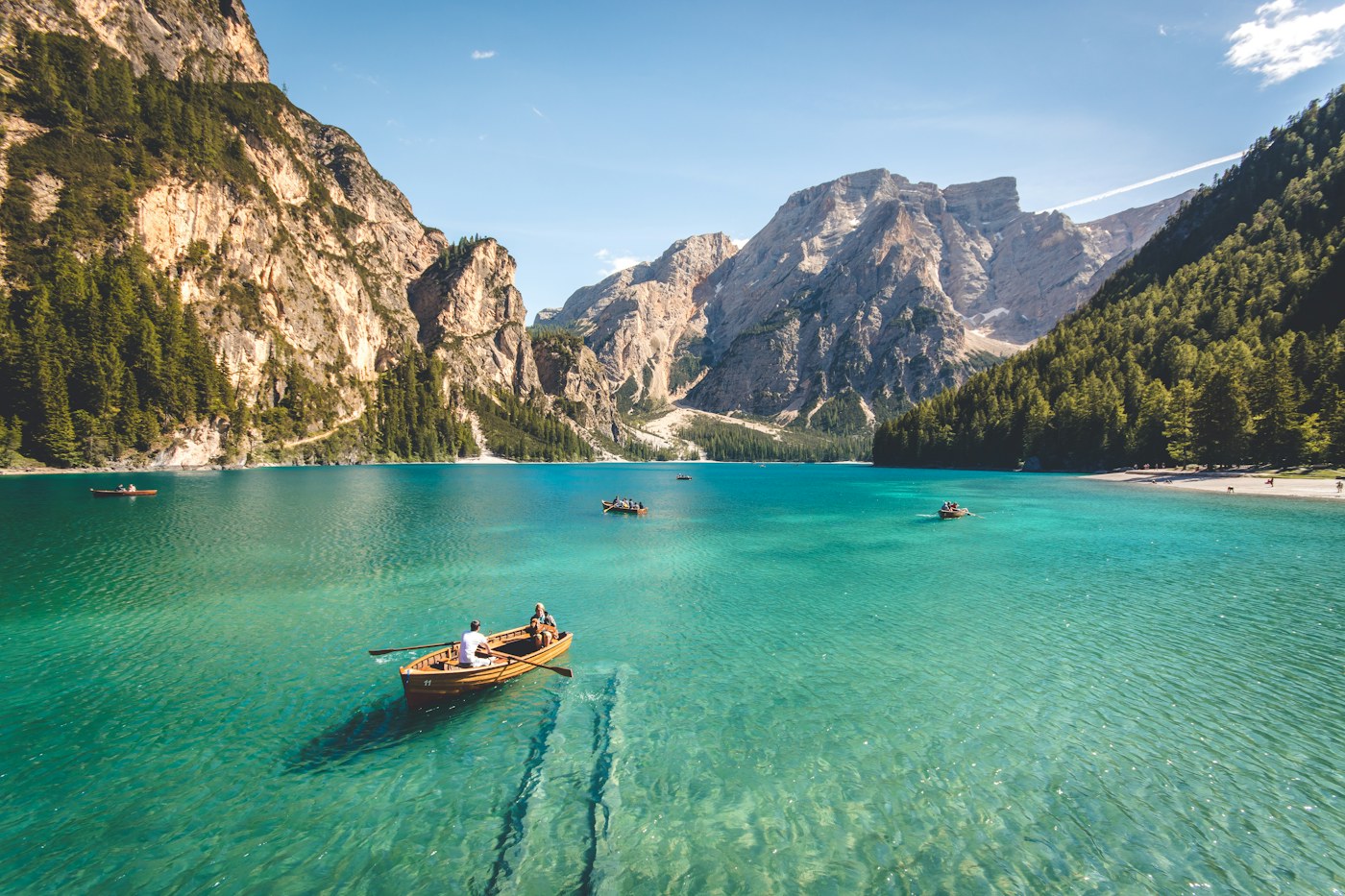
Skipping one attraction might make room for a moment you actually remember.
When a trip becomes another assignment
An overfilled itinerary can turn a day into a sequence of transfers and queues. Photographs record many places while the traveler barely has time to notice any of them. Planning is useful, but a schedule of compulsory stops can reproduce the same pressure a holiday was meant to interrupt.
Leave room for the unplanned
Choose a few things that matter most, then allow time for walking, eating or changing your mind. Staying somewhere for another half day may reveal more than rushing past several landmarks. Fewer transfers can also reduce costs and fatigue when money or leave is limited.
Choose an anchor and leave the edges open
For a short trip, one planned activity can provide enough structure for the rest of the day to remain flexible. Check practical details that could create real difficulty, then resist filling every gap just because it appears empty. Traveling companions may want different levels of activity, so discuss that preference before tiredness turns it into conflict. A separate hour or an optional stop can be easier than asking everyone to enjoy the same pace. The resulting trip may include fewer recognizable landmarks, but it can contain more attention to each experience and more room to notice what is actually happening around you.
Beyond where you went, ask how you spent the time.
A thought to take with you
There is no single standard for a successful trip. Some people love intensive sightseeing; others need rest. The itinerary should serve your expectations, rather than compete with someone else’s photographs.
An opinion essay prepared by The Everyday Observer with AI assistance, not a field report or survey. Images illustrate themes rather than specific people or events.