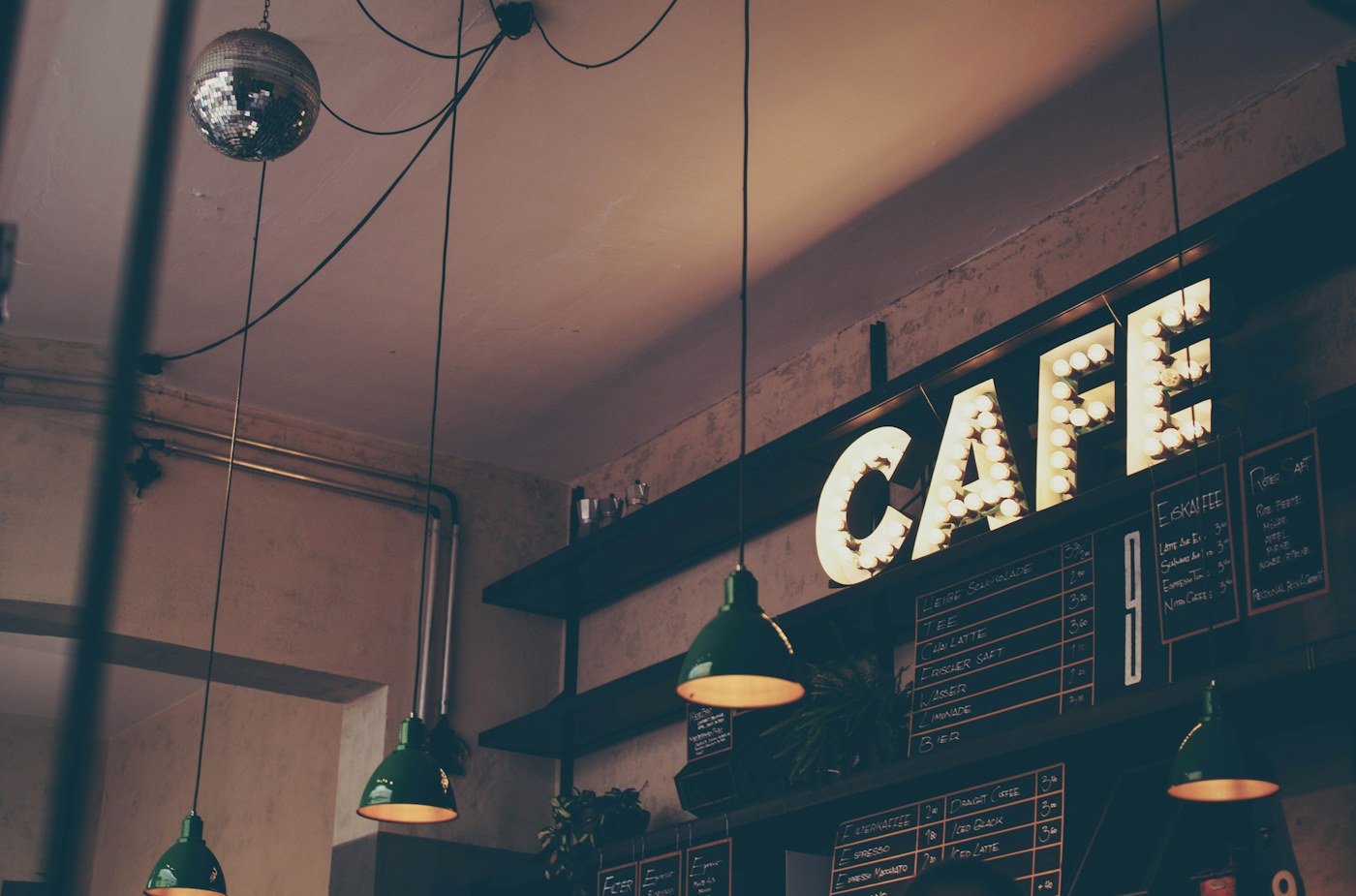
A place without immediate answers can help us rediscover the pleasure of browsing.
Leave room for an unexpected encounter
Online search is good at finding something we already know to look for. A bookshelf can introduce a subject we had not considered. An unfamiliar cover, a table of contents or a passage read standing up may change the direction of an afternoon. Discovery matters partly because it does not always obey our existing preferences.
A welcoming space has real costs
We can value a bookstore’s openness while recognizing its rent, stock and staffing costs. Events, coffee and thoughtful merchandise may help it survive. But if every seat requires spending, access changes too. Balancing the ability to linger with the need to earn a living is a practical design problem.
Follow one unexpected thread
On a visit without a particular purchase in mind, choose a shelf outside your usual section and read a few contents pages. You may find nothing compelling, and that is a perfectly acceptable result. You may also discover a question that leads elsewhere in the shop or into a later library visit. Browsing works partly because the outcome is not guaranteed. Treat the space and other readers with care, especially when seating is limited. If a book genuinely interests you, make an informed choice about buying or borrowing it. The purpose is not to accumulate evidence of being a reader, but to encounter something you would like to spend attention on.
Some places are valuable because they let us arrive without a plan.
A thought to take with you
Supporting a bookstore might mean buying a book you want to read or attending an event with interest. Letting reading actually happen comes closer to its purpose than treating the shelves only as a backdrop.
An opinion essay prepared by The Everyday Observer with AI assistance, not a field report or survey. Images illustrate themes rather than specific people or events.