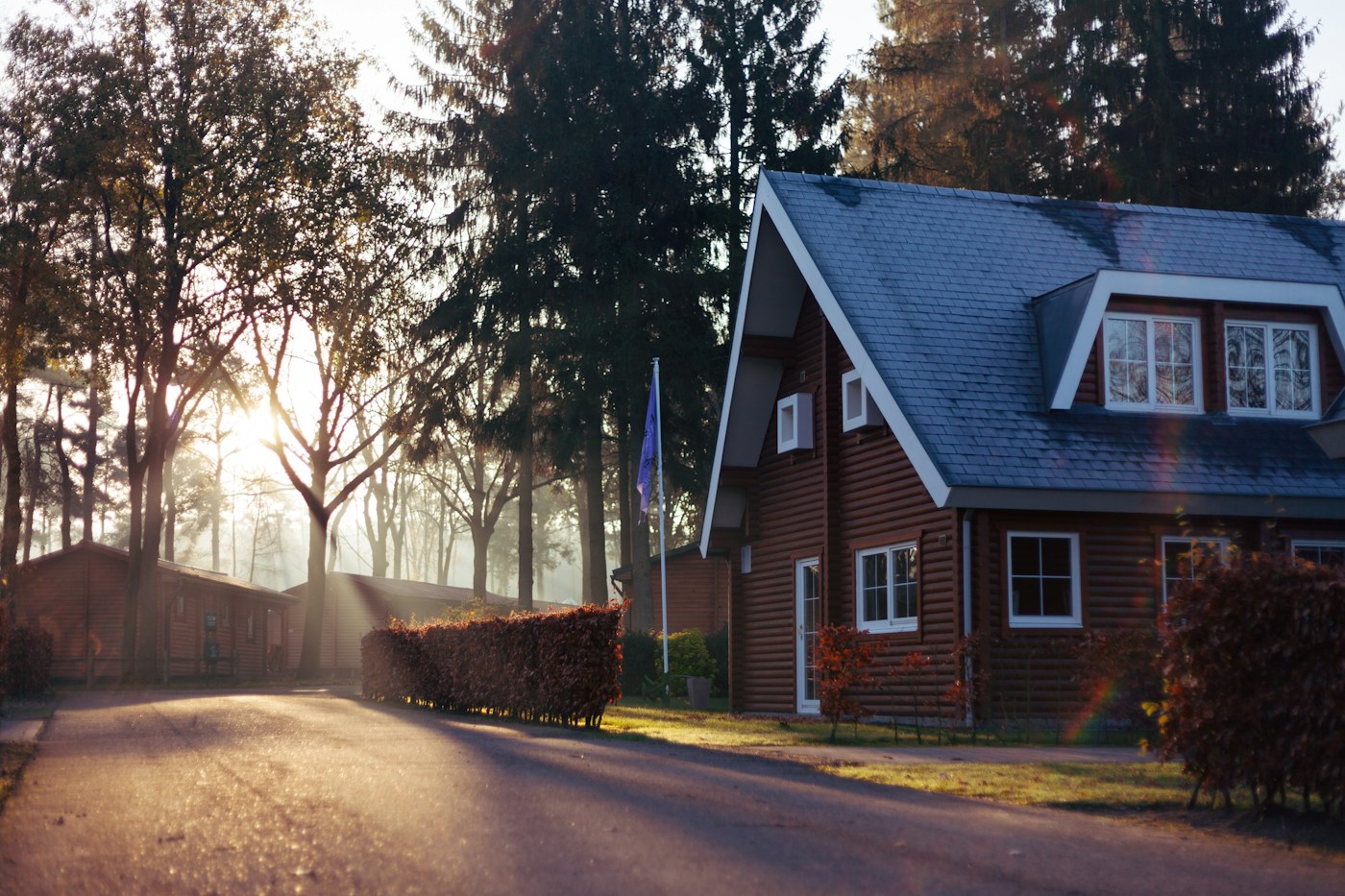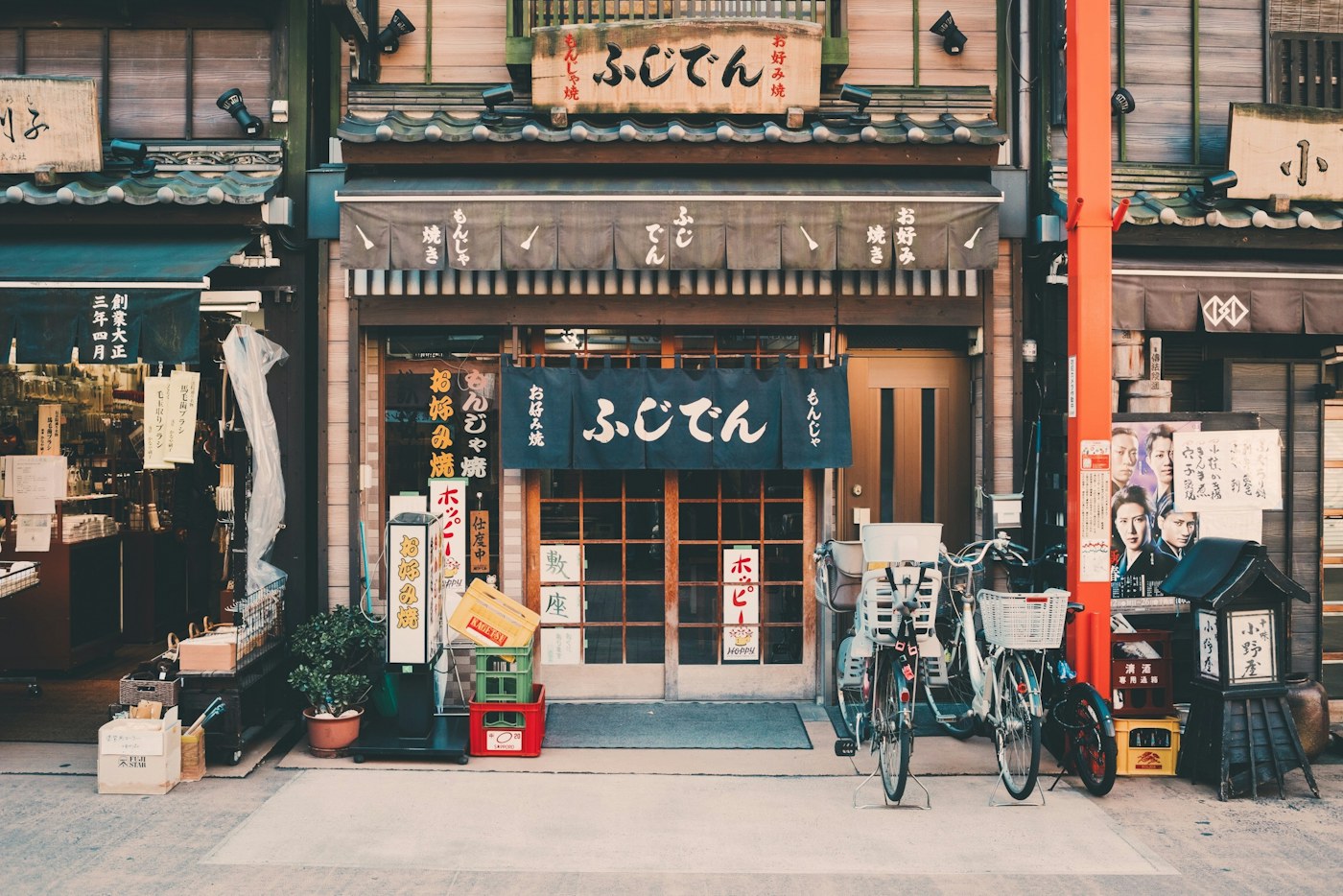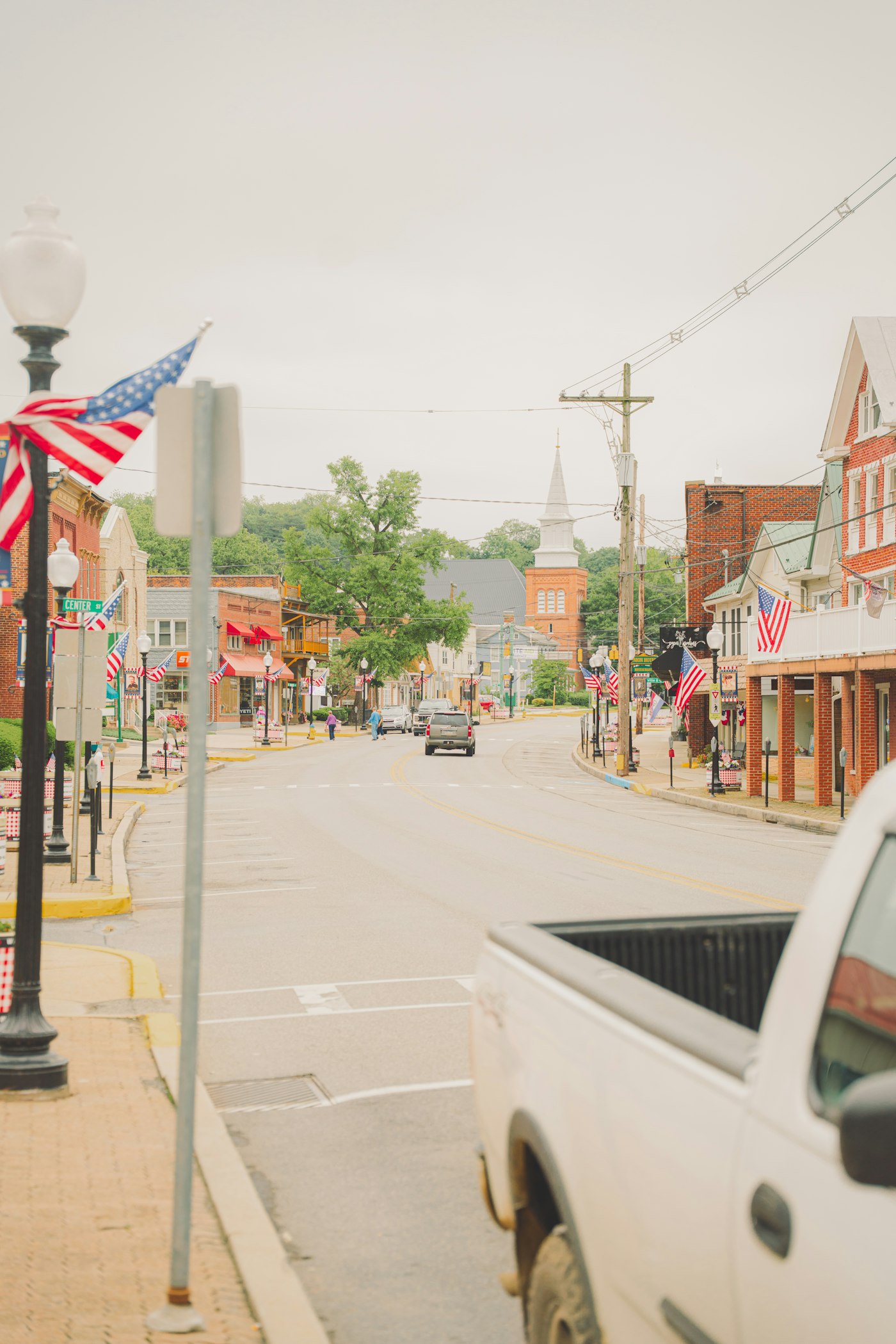
Different places offer different arrangements of work, access and belonging.
The appeal of a simpler picture
Images of smaller towns can suggest an easier life through shorter streets, familiar faces and a quieter setting. Those qualities may be meaningful, but they do not describe every resident’s experience. Work opportunities, transport, services and social expectations also shape a day. Treating a place as a cure for urban pressure can turn its real complexity into someone else’s lifestyle fantasy.
Ask what an ordinary week requires
Before comparing places, identify the practical needs involved: the journey to work, access to regular services, contact with friends and the ability to pursue interests. Consider who in a household would gain convenience and who might lose it. A location can be attractive without fitting every stage of life, and a useful comparison needs more than a weekend visit under pleasant conditions.
Take local life seriously
People already living in a place are not background characters in a newcomer’s fresh start. Their concerns may include change, affordability or services that visitors barely notice. Listening before announcing what makes the place special can reveal a more grounded picture. Belonging grows through participation and respect, not simply through selecting an appealing setting in which to imagine a different self.
A good place to live is a fit between circumstances, not a universal ranking.
A thought to take with you
Neither a large city nor a smaller town should have to serve as the symbol of a better kind of person. The more useful conversation is about what each place makes possible and what support residents need.
An opinion essay prepared by The Everyday Observer with AI assistance, not a field report or survey. Images illustrate themes rather than specific people or events.