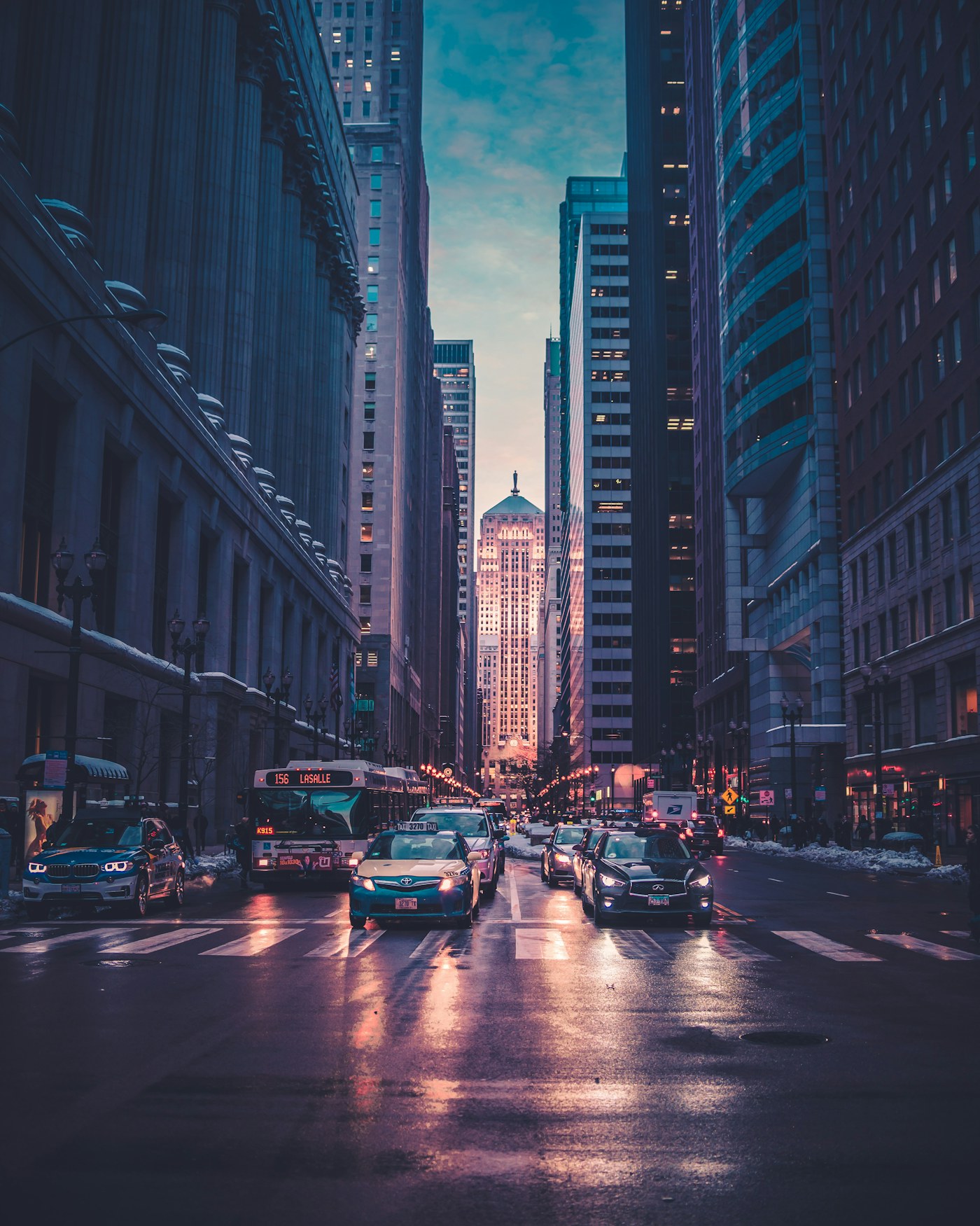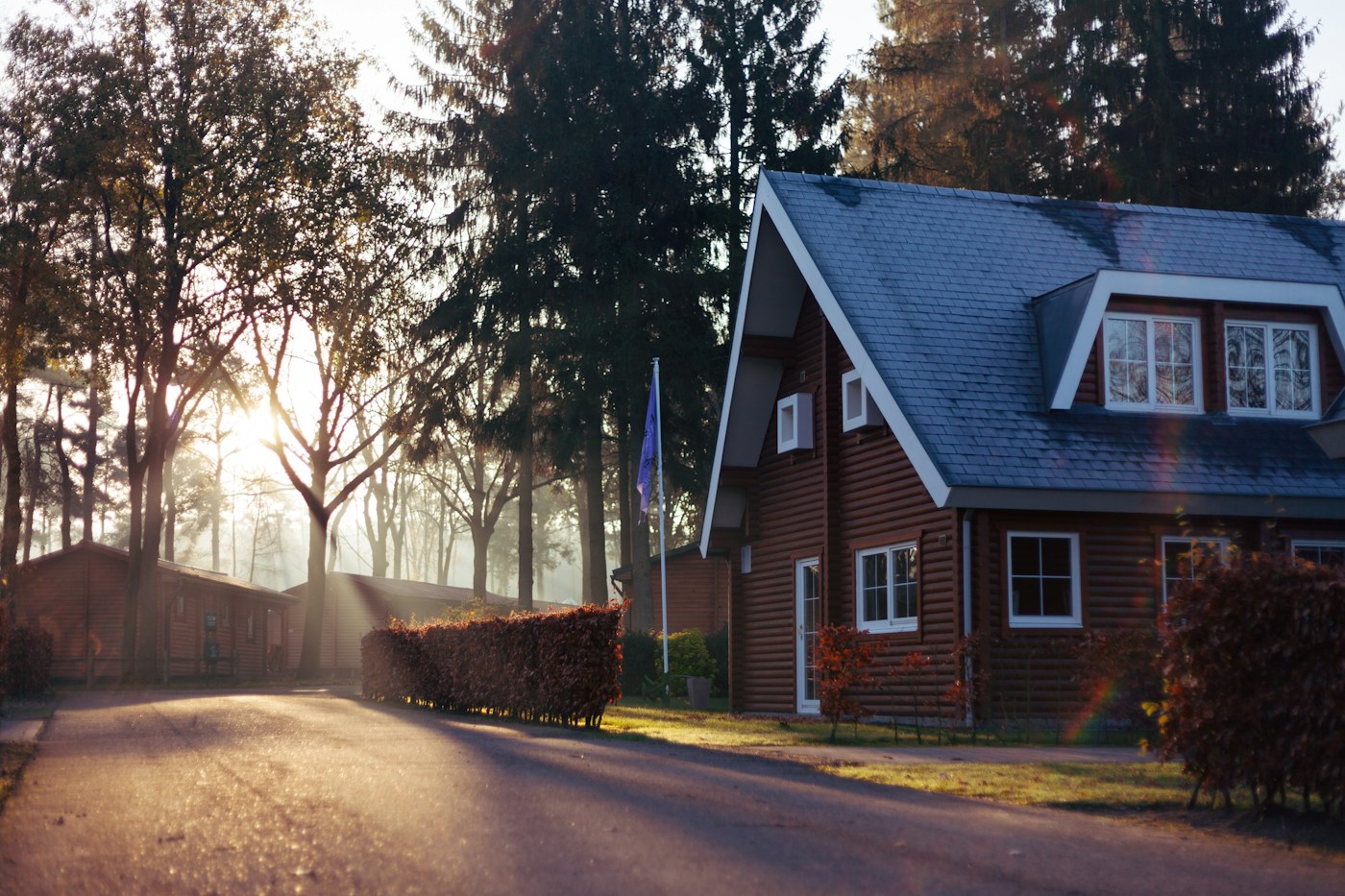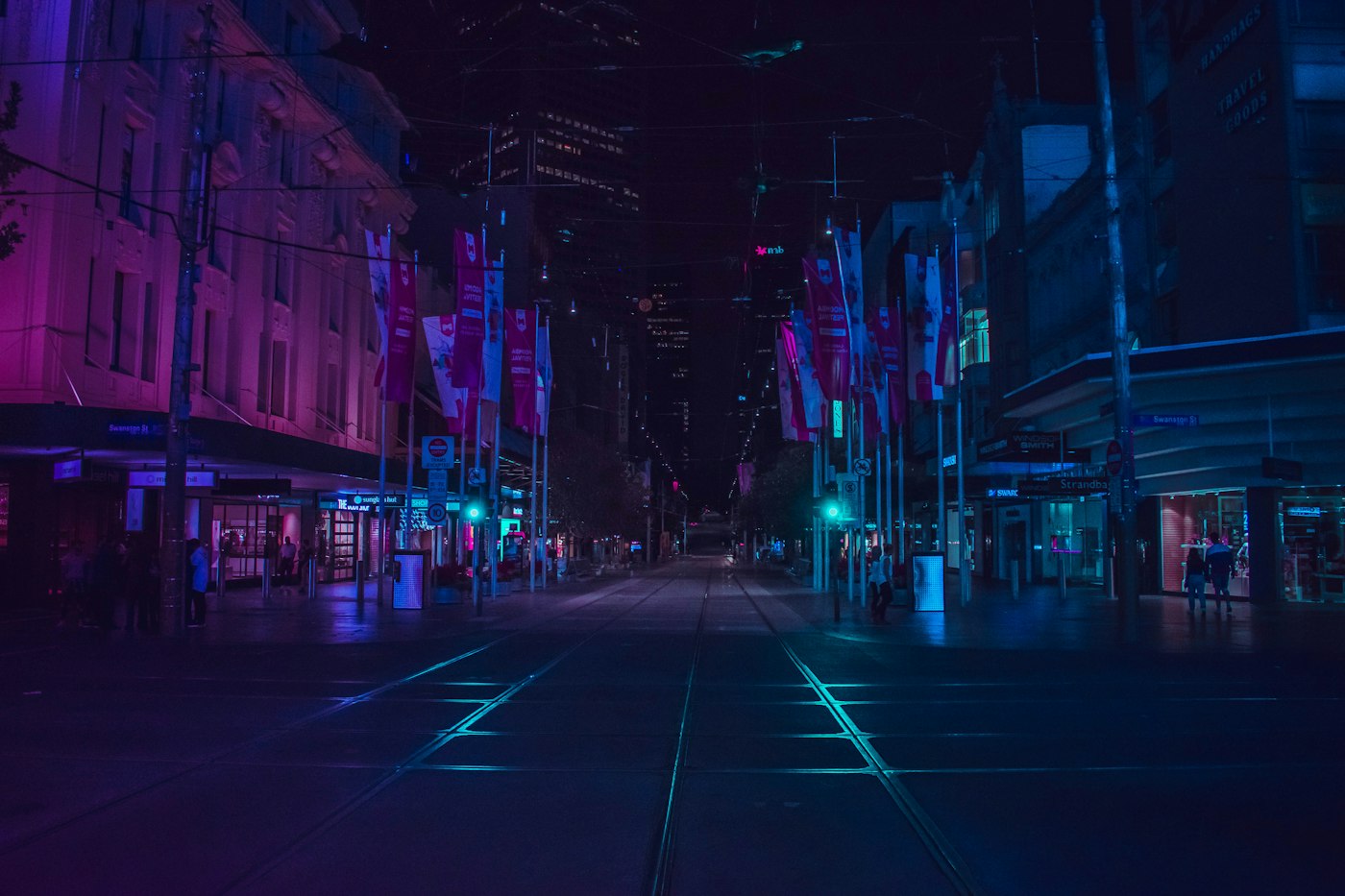
Useful light responds to the route, the people using it and the homes around it.
Brightness alone is an incomplete measure
A brightly lit sign can leave a nearby pavement difficult to read, while glare makes a crossing harder to judge. A dark gap between well-lit sections may be more significant to a pedestrian than the average brightness of a street. Evaluating lighting as a simple choice between more and less misses how light is distributed and what someone needs to see.
Follow the person using the route
Look at entrances, changes of level, crossings and places where people wait. Consider how the scene appears from different heights and whether a person approaching can identify the next part of the path. Existing trees, signs and parked vehicles may change the experience. A practical inspection after dark often reveals details that daytime plans cannot fully communicate.
Include maintenance and neighboring homes
A light that fails repeatedly or shines directly into a bedroom creates a different set of difficulties. Reporting and repairing faults should be straightforward, and new installations should consider people living nearby. The design needs to balance visibility, comfort and unwanted spill rather than maximizing a single number. Good public infrastructure often succeeds by meeting several everyday needs quietly at the same time.
Useful light makes an ordinary journey more legible.
A thought to take with you
Lighting cannot solve every problem of public-space safety, and a brighter environment should not be presented as a complete answer. It can still make a concrete contribution when its purpose is clearly tied to how the space is used.
An opinion essay prepared by The Everyday Observer with AI assistance, not a field report or survey. Images illustrate themes rather than specific people or events.