Good civic communication turns an announcement into something a resident can use.
Official language can hide the practical point
A notice about construction, maintenance or a change of service may describe the organizing department in detail while leaving residents unsure which entrance will close. Readers then have to translate an institutional account into a personal plan. The information technically exists, yet the action it requires remains unclear. This is a problem of communication design, not evidence that the audience failed to pay attention.
Lead with what changes
State the place, time, affected service and available alternative before adding background. A simple map can help when a description depends on unfamiliar boundaries. Include a contact route that someone actually monitors and a date showing when the notice was updated. If the arrangement changes, replace old information rather than leaving several contradictory versions in circulation.
Reach people through more than one channel
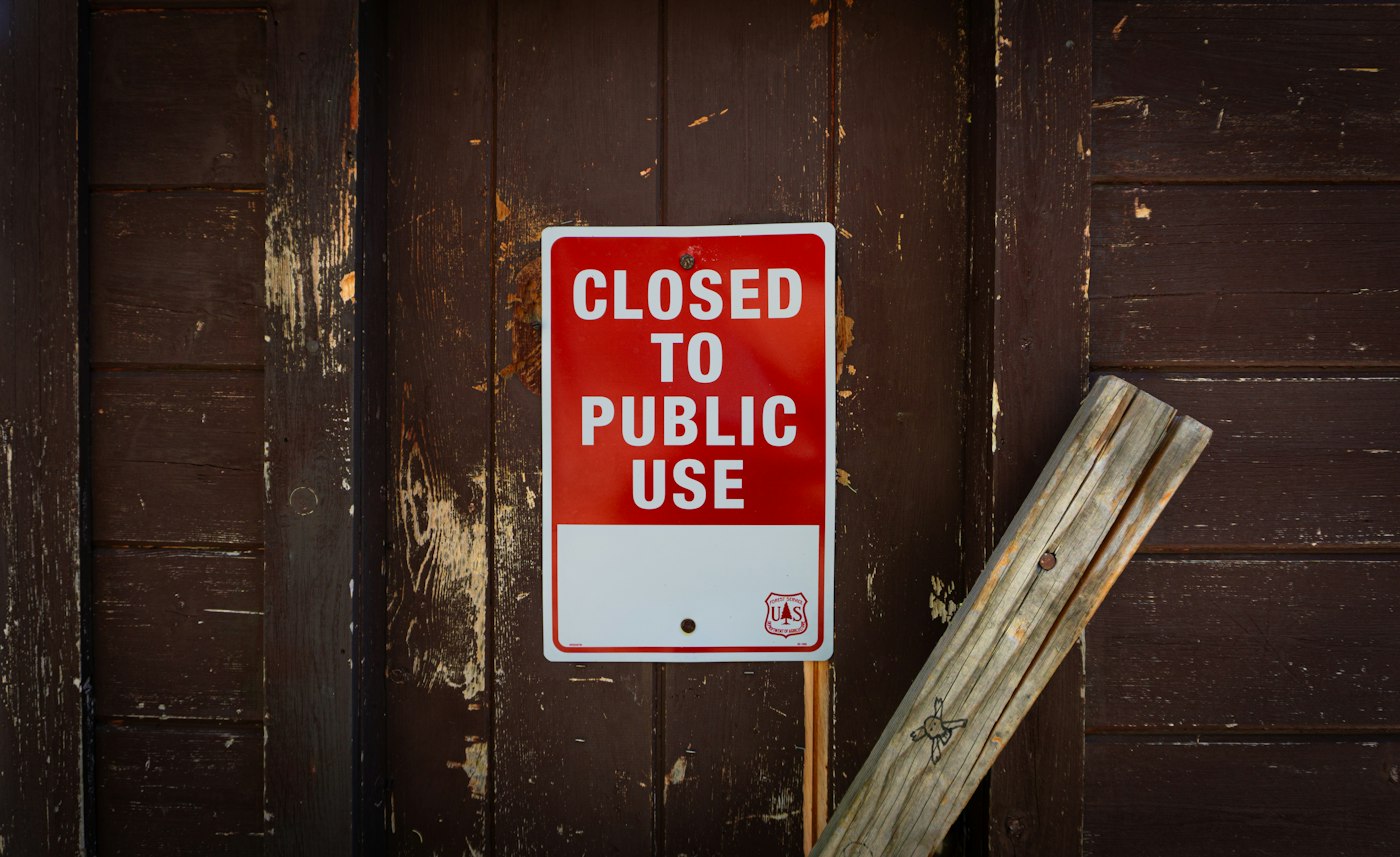
A notice inside an app may miss someone who relies on the physical entrance, while a paper sign may miss a visitor planning a journey. Use appropriate channels together and make sure the details agree. Larger type and clear contrast can matter more than decorative branding. Communication succeeds when the affected person receives the message in time to act, not merely when the sender can show that it was published somewhere.
Information becomes useful when someone can decide what to do next.
A thought to take with you
Plain language does not reduce the importance of an announcement. It respects the fact that a resident encounters it while managing an ordinary day rather than while studying how an organization describes its own work.
An opinion essay prepared by The Everyday Observer with AI assistance, not a field report or survey. Images illustrate themes rather than specific people or events.