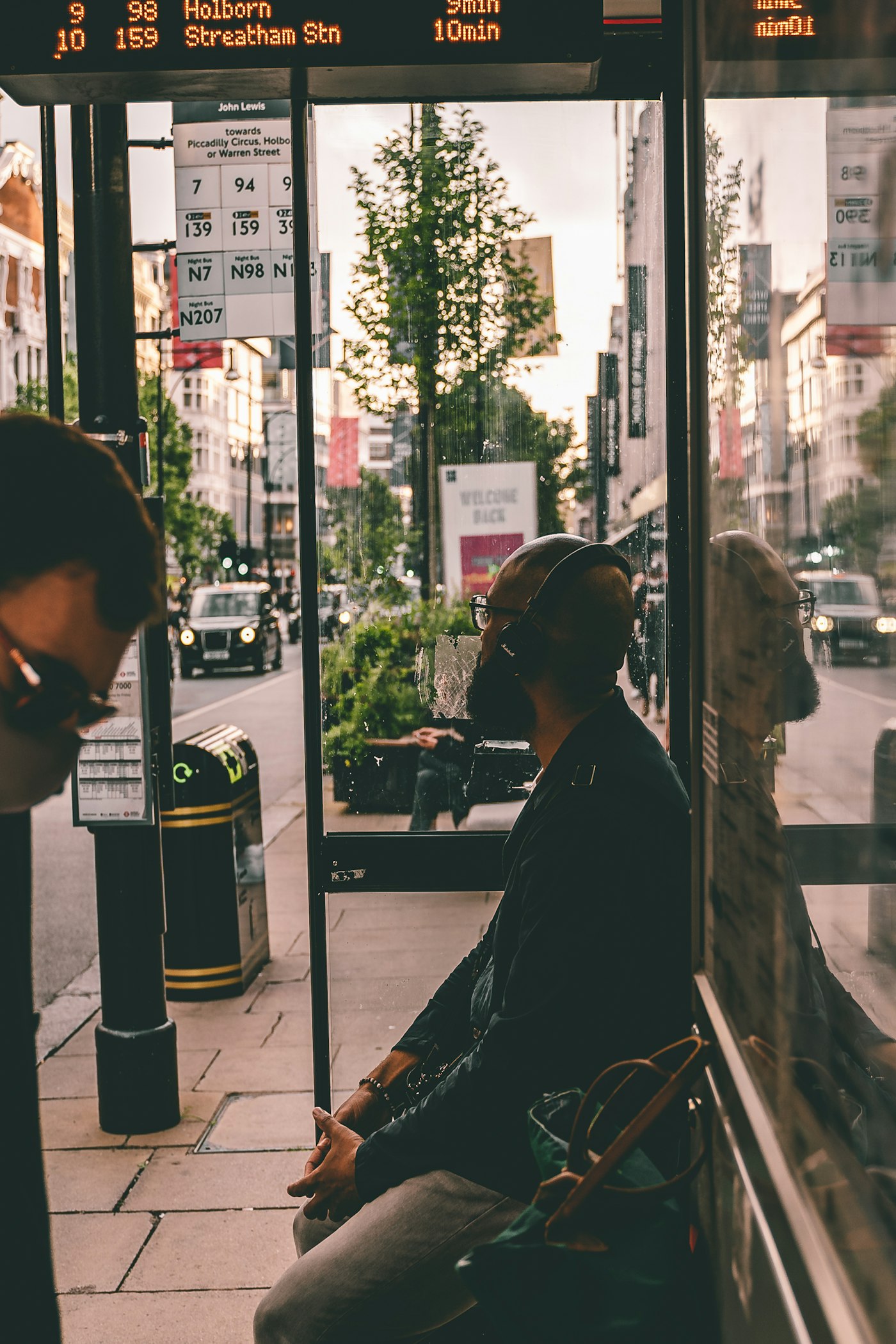
The minutes before an appointment should not be treated as time that belongs to nobody.
An appointment begins before your name is called
A person may arrive early, negotiate an unfamiliar entrance and then wait without knowing whether they have checked in correctly. The official service has not started, but effort and uncertainty have already begun. A well-designed waiting area can reduce that burden by explaining the process and offering a reasonable place to spend the time. Seating alone does not answer every question.
Make progress and practical needs visible
Visitors need to know whether there is a delay, how they will be called and where they can ask for help. Readable information should not depend exclusively on hearing an announcement or watching a tiny screen. Access to water, toilets and suitable seating can matter more than decorative entertainment. These details help people manage the wait without repeatedly approaching a busy desk.
Design for companions too
Some visitors arrive with children, caregivers or an interpreter. A process that assumes every appointment involves one independent adult can create unnecessary difficulty. Consider where companions can sit, how privacy is maintained and what happens if someone needs to step away briefly. These are ordinary variations in how people attend services, and planning for them can make the whole room easier for staff and visitors to navigate.
Waiting time is still part of somebody’s day.
A thought to take with you
A service may be unable to eliminate every delay, but it can acknowledge the person experiencing it. Accurate information and basic comfort make that acknowledgment concrete rather than simply asking for patience.
An opinion essay prepared by The Everyday Observer with AI assistance, not a field report or survey. Images illustrate themes rather than specific people or events.