A common space works better when responsibility is clear before a problem appears.
Everyone’s space can become nobody’s task
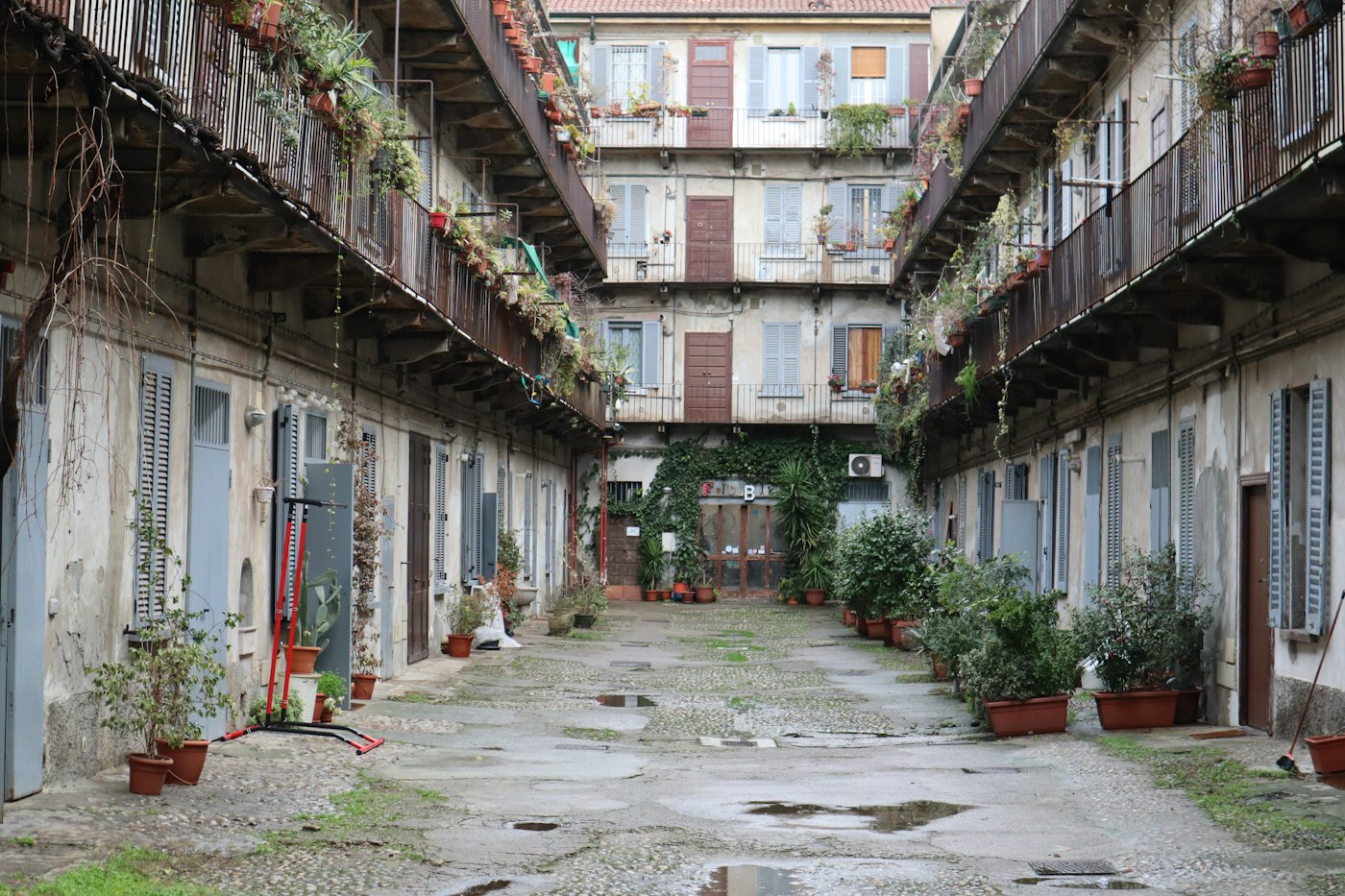
A courtyard may be intended for conversation, play, plants and quiet sitting. Without an agreement, belongings gradually occupy the easiest corners and maintenance falls to whoever is most willing to act. Others may assume those arrangements were formally decided. A shared space can therefore become less shared through small habits rather than a deliberate decision to exclude anyone.
Discuss actual uses together
Identify which activities need room, when noise is reasonable and how pathways remain clear. Agreements should account for people who cannot attend every meeting or who use the space at different hours. A small, visible set of expectations is often more useful than relying on everyone to infer the same meaning of being considerate. Clear rules can reduce personal conflict by making the basis of a request understandable.
Give maintenance a realistic owner
Agree on how routine work is arranged, how problems are reported and what happens when a volunteer steps back. Appreciation is important, but it should not substitute indefinitely for a sustainable plan. Review the arrangement when use changes rather than treating the first agreement as permanent. A common space remains common through repeated care, not simply because it was labeled shared when the building opened.
Goodwill is easier to sustain when it is supported by an arrangement.
A thought to take with you
A courtyard does not need to become highly regulated to remain welcoming. It needs enough shared understanding that a newcomer can use it without first learning an invisible history of territorial claims.
An opinion essay prepared by The Everyday Observer with AI assistance, not a field report or survey. Images illustrate themes rather than specific people or events.