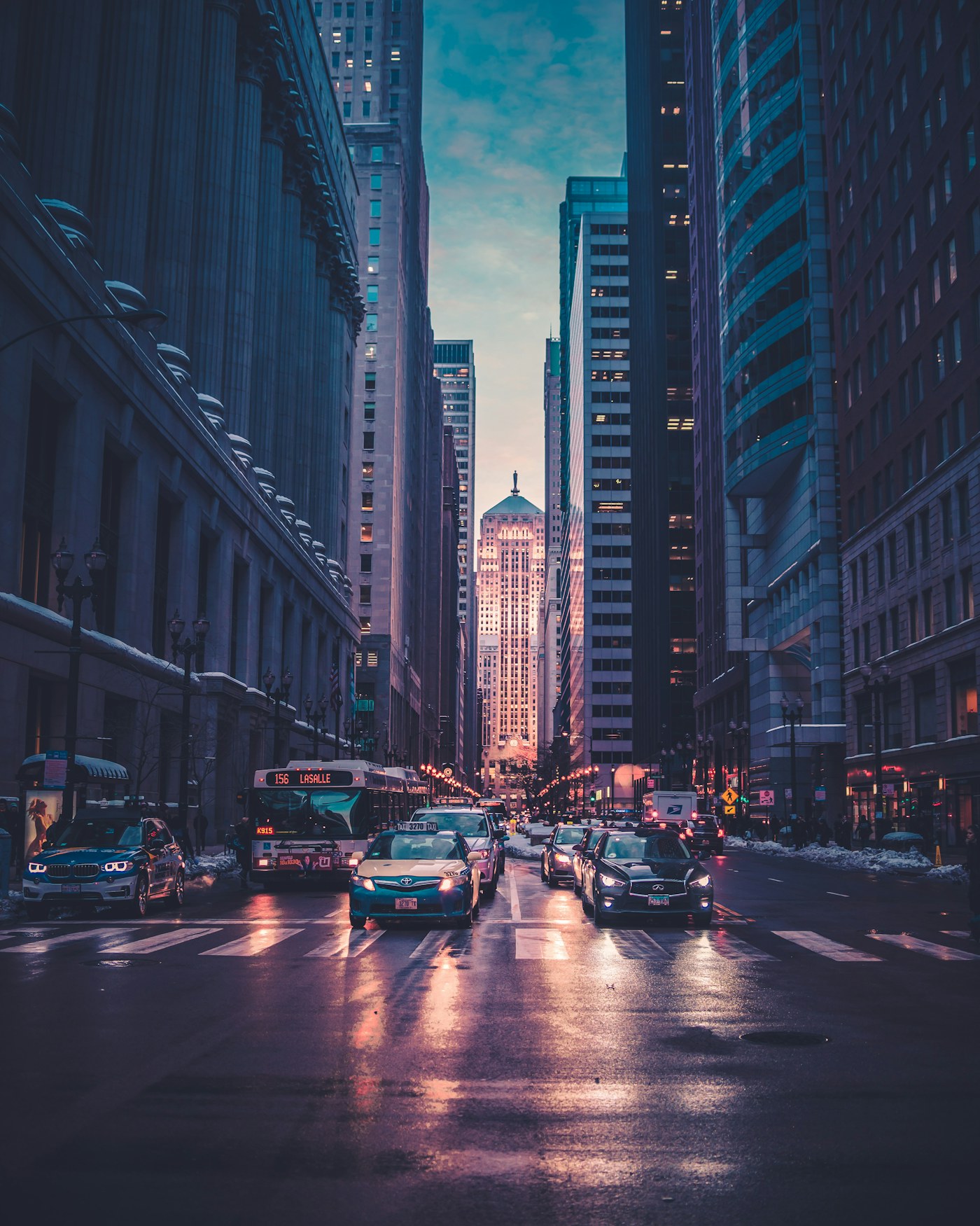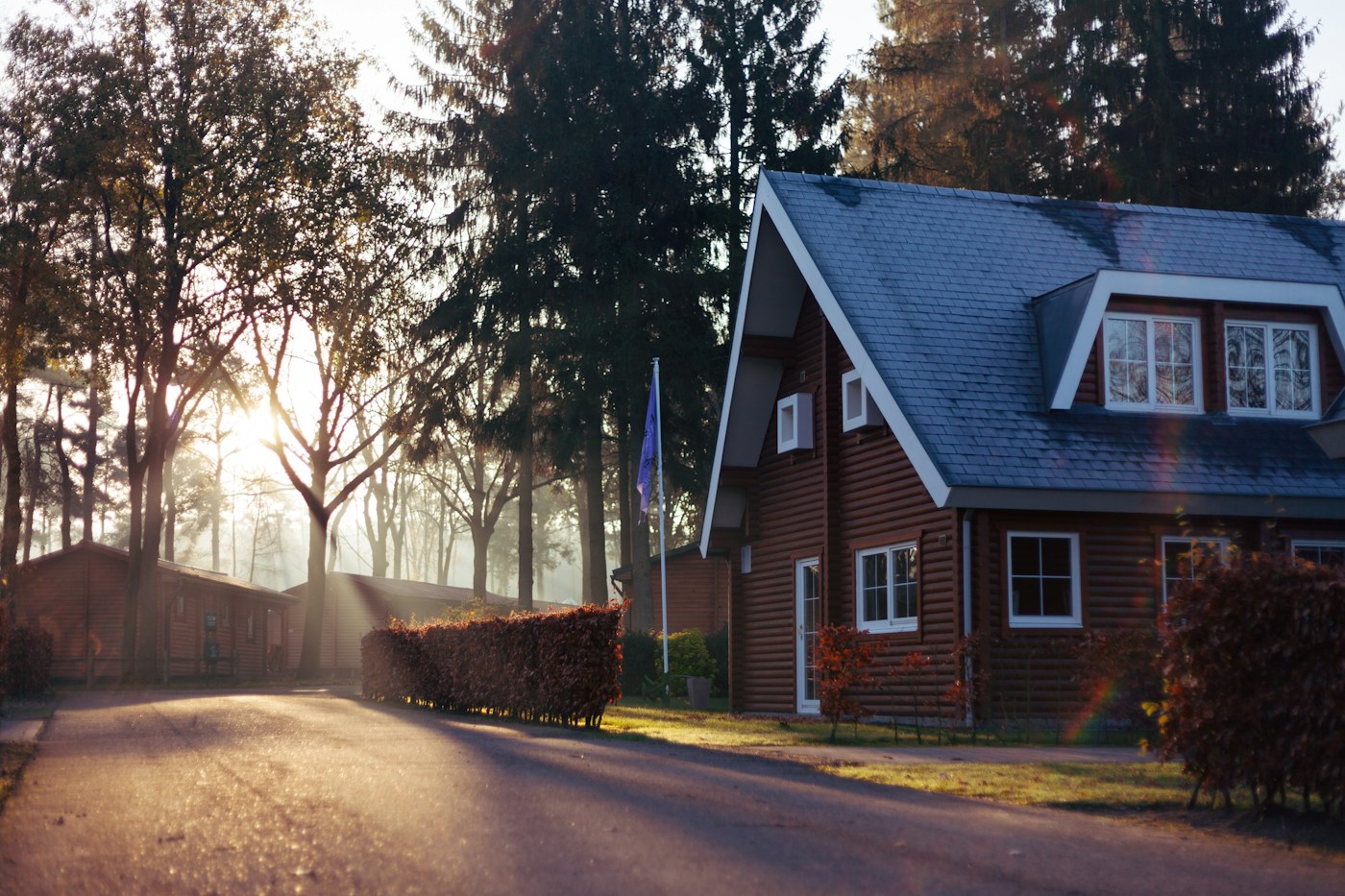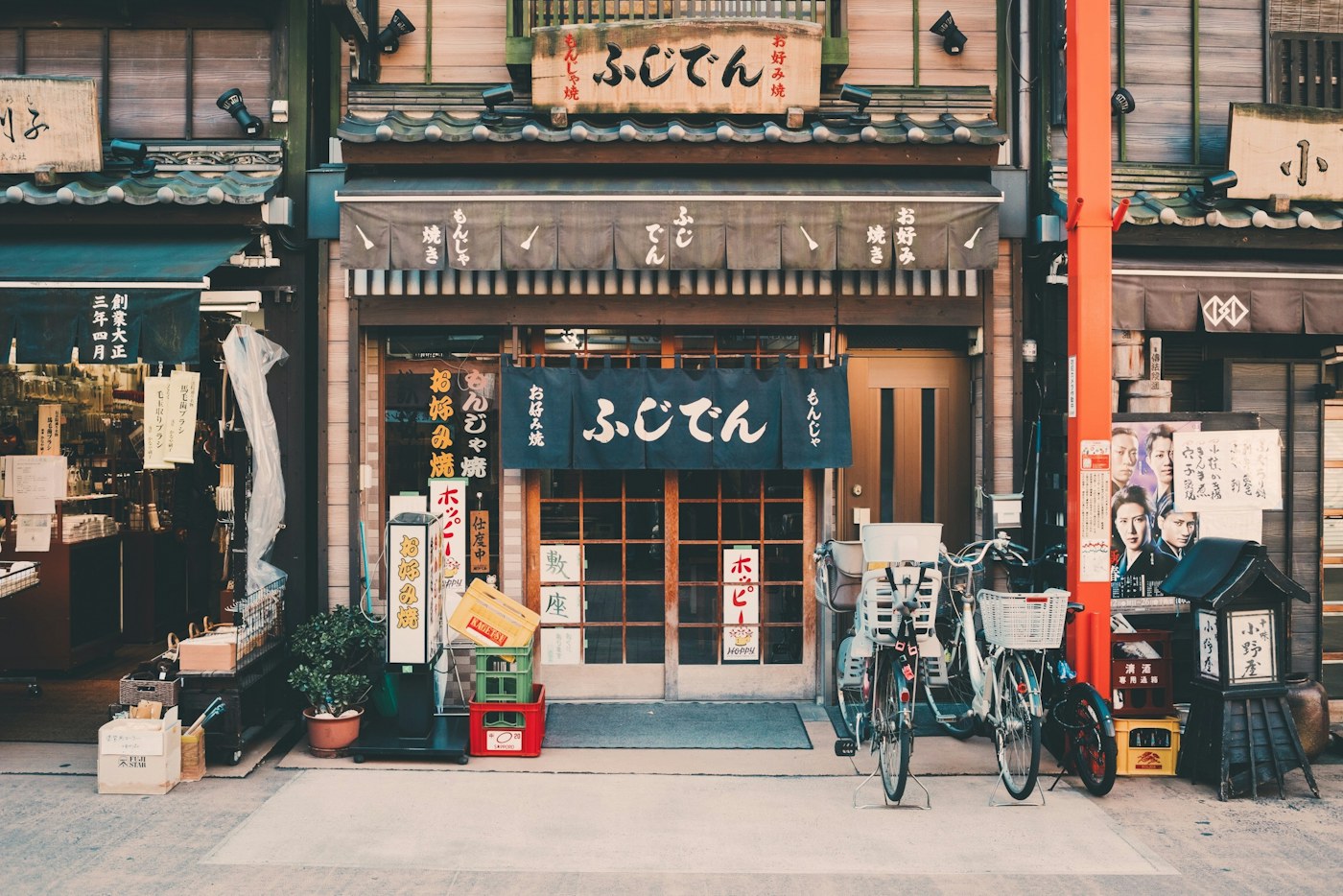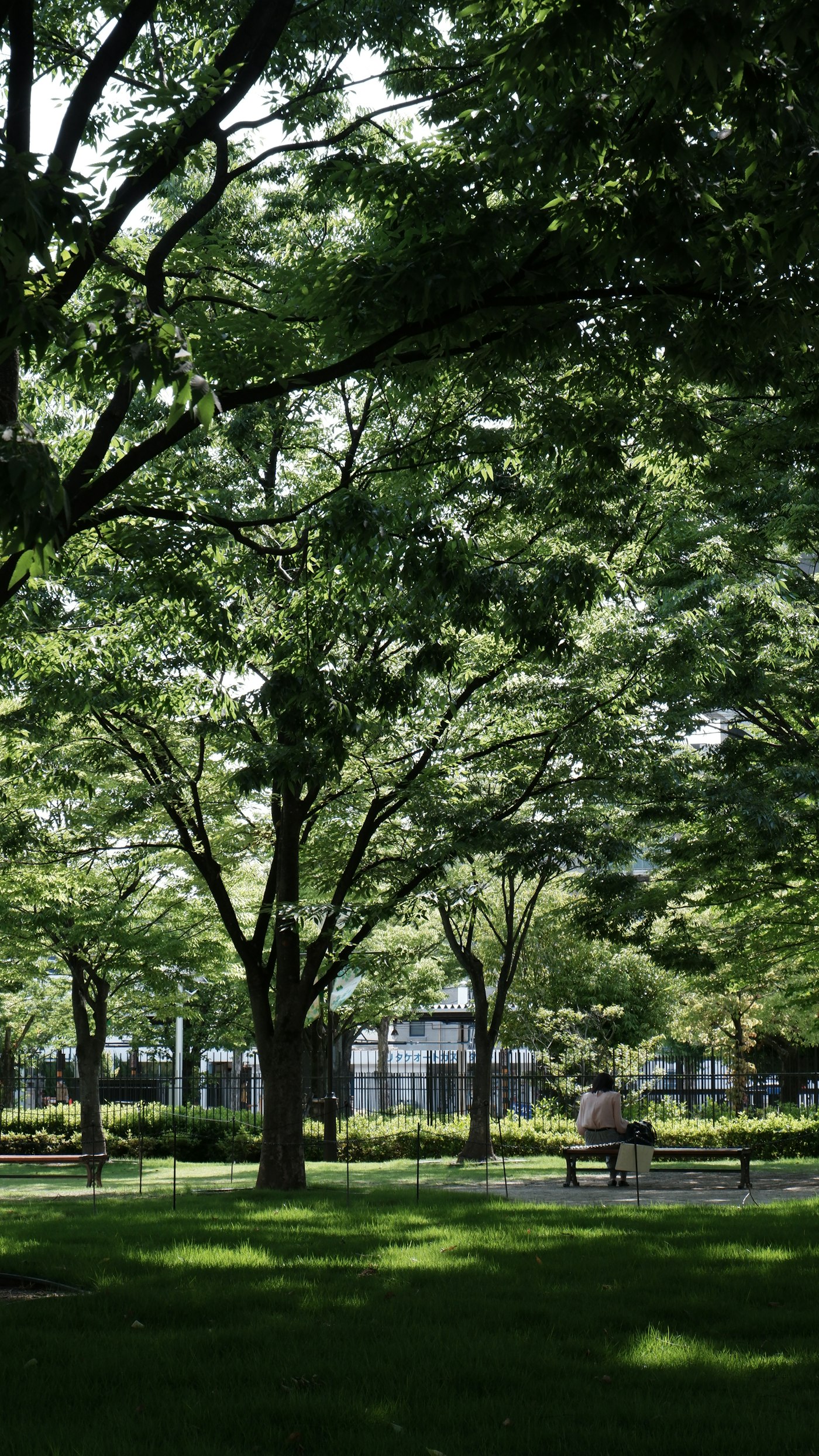
A tree canopy can shape how a street is used as much as the paving beneath it.
Comfort changes the route
On a hot afternoon, people may cross the road simply to walk in shade. A bench in direct sun can remain empty while a narrow shaded doorway attracts several people. These ordinary decisions reveal how the experience of a street depends on more than its width or appearance. A route that looks convenient on paper may feel unwelcoming at a particular time of day.
Design for the hours people are there
Observe a bus stop, school entrance or walking route when it is busiest, rather than only during a convenient inspection. Existing trees, building shadows and sheltered waiting areas should be considered together. Planting has long-term value, but a young tree does not immediately provide a mature canopy. Temporary structures may have a role while a permanent design develops.
Plan for care as well as planting
Trees need appropriate space, suitable species and ongoing maintenance. Their benefits should not become an excuse to ignore roots, sightlines or the needs of people maintaining the street. In places where planting is difficult, other forms of shelter may be necessary. The goal is a usable route for people today and in the future, not simply a larger number of objects labeled green.
Comfort is part of access, not a decorative bonus.
A thought to take with you
A useful public-space discussion can begin with a simple observation: where are people trying to escape the sun? Their choices identify gaps in the design more clearly than a drawing viewed indoors.
An opinion essay prepared by The Everyday Observer with AI assistance, not a field report or survey. Images illustrate themes rather than specific people or events.