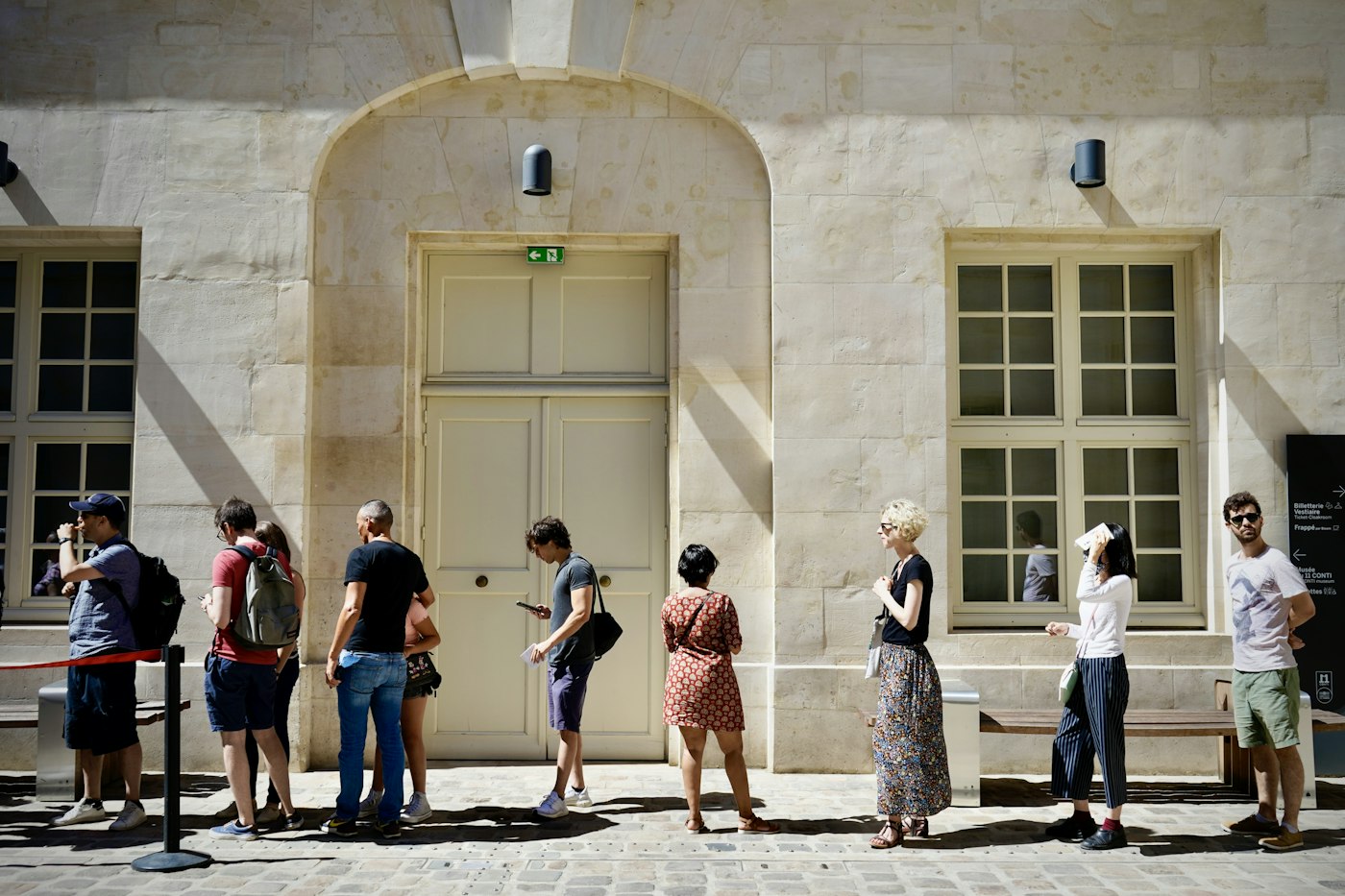
Waiting feels different when the rules are visible and the next step is predictable.
Time is only one part of the experience
Two queues of the same length can feel very different. In one, people know where to stand and why someone has been called forward. In another, the order appears to change without explanation. Frustration often comes from uncertainty about fairness as much as from the minutes involved. A service can therefore improve the wait without pretending that demand has disappeared.
Explain exceptions before they look like favors
Some visitors need priority because of an appointment, accessibility requirement or a different type of transaction. Clear signs and consistent explanations help others understand that the order has a reason. Staff should not have to improvise a defense each time. Equally, an exception that exists only for well-connected customers should not be disguised as an operational necessity.
Offer useful choices while people wait
An estimated waiting range, seating or a way to return when called may give people more control. A digital ticket should not eliminate a usable option for someone without a suitable phone. Information needs updating when circumstances change; an honest revised estimate is better than a precise number that nobody believes. Good queue design starts with the experience of the person who has the least flexibility.
A fair wait is one people can understand.
A thought to take with you
Queues are small arrangements of shared time. Making their rules legible respects both visitors and staff, particularly when the service is under pressure and nobody can make the line disappear instantly.
An opinion essay prepared by The Everyday Observer with AI assistance, not a field report or survey. Images illustrate themes rather than specific people or events.