The freedom to spend time outside depends on facilities we rarely photograph.
An invisible limit on an ordinary day
Imagine planning a long walk and quietly arranging the route around places that might let you use a bathroom. For a parent with a child, an older resident or a delivery worker, that calculation can determine which trips feel possible. Attractive squares and lively shopping streets are less useful when basic facilities are difficult to find, closed or available only after a purchase.
Access is more than an unlocked door
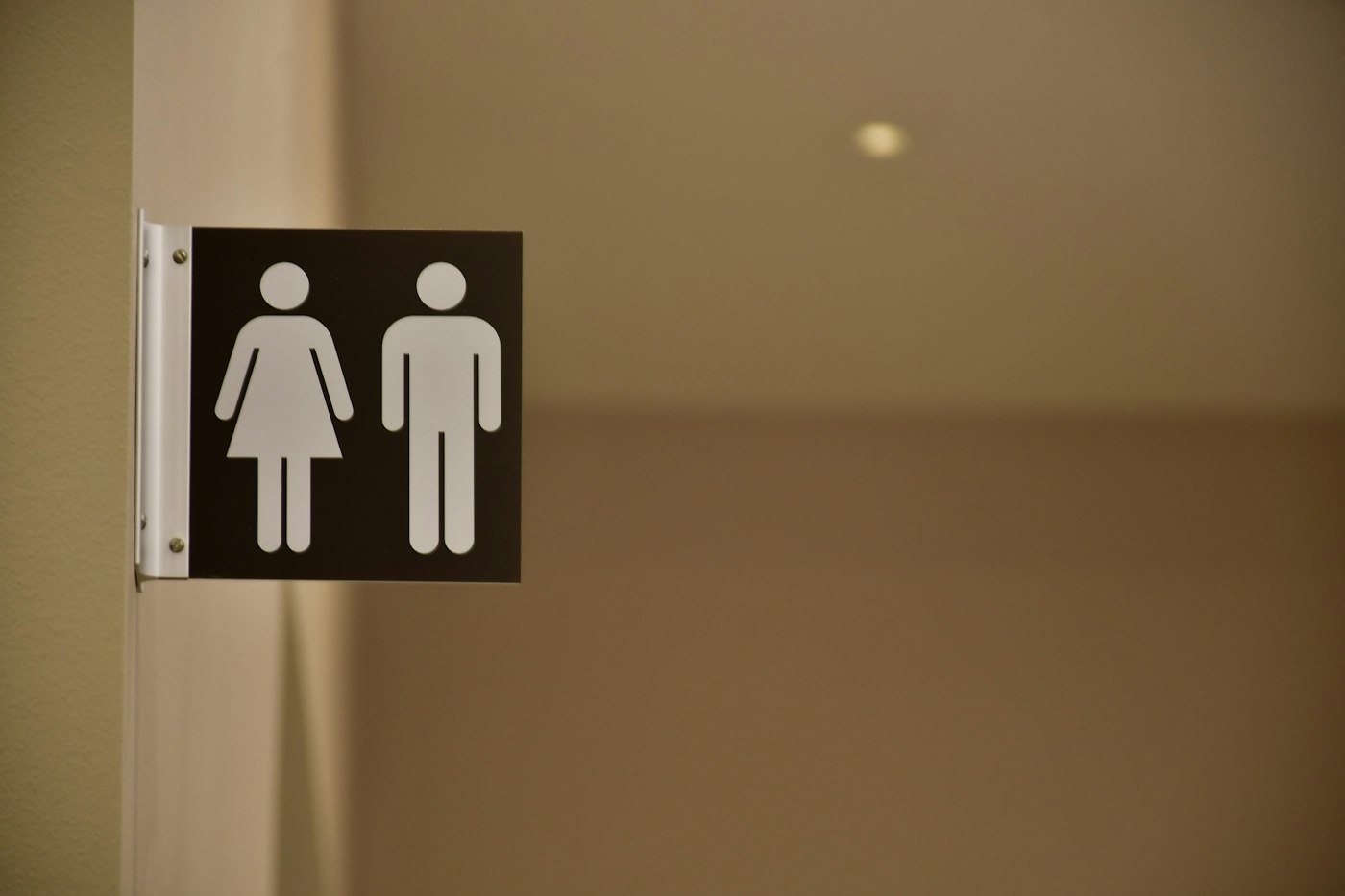
A useful facility needs clear signs, dependable opening hours, working locks and regular cleaning. A step at the entrance or a narrow doorway may exclude someone even when a map describes the building as accessible. Design should consider caregivers and the people doing the maintenance, rather than treating the interior as an afterthought once the exterior is finished.
Measure the journey, not just the building
An audit can begin at the moment a visitor needs help: Is there a sign from the street? Can the entrance be found without an app? Does the advertised closing time match reality? A neighborhood with fewer but dependable facilities may serve people better than a longer list of unreliable ones. Funding maintenance and publishing clear information are part of providing the service, not optional extras after construction.
The ability to stay outside should not depend on buying your way into a bathroom.
A thought to take with you
The next time a public-space proposal is discussed, ask where the nearest usable toilet is and who will keep it usable. That practical question says something important about who the space is actually designed to welcome.
An opinion essay prepared by The Everyday Observer with AI assistance, not a field report or survey. Images illustrate themes rather than specific people or events.