A fresh facade matters less if the routines behind it become harder to maintain.
A better photograph, or a better day?
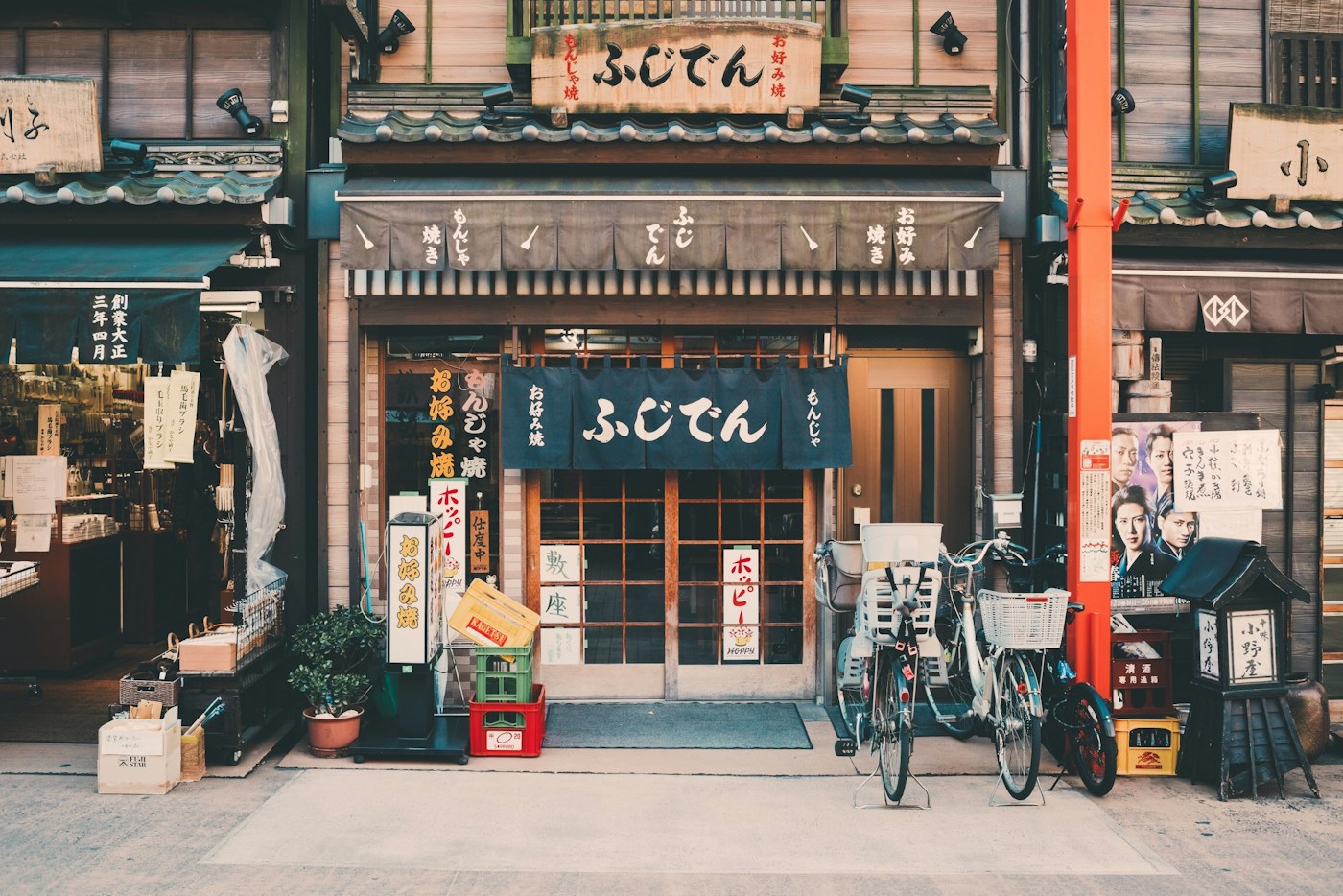
New signs and resurfaced streets can make an area look more orderly. Residents may also want to know whether the repair shop will remain, whether groceries are now farther away and whether familiar businesses can afford to stay. These details rarely dominate a publicity photograph, but they shape daily experience.
Bring users into the conversation early
Consultation should not begin only after a plan is complete. People who use a street at different times can reveal problems absent from drawings. Construction access, temporary routes and changing business costs also need discussion. Improvement requires a direction, but it also requires patience with the transition.
Ask what happens during the transition
A street may promise better facilities after construction while leaving residents with months of confusing access. Ask where deliveries will go, how walking routes remain usable and how changes will be communicated. Small businesses may need clear information to plan staffing and stock, while people with mobility needs may need a workable alternative before a familiar entrance closes. These questions do not oppose improvement. They make its costs visible enough to manage. Reviewing the temporary arrangements alongside the permanent design shows whether the project recognizes that the people affected must continue living and working there throughout the process, not only after the opening ceremony.
Changing a street means changing many people’s routines.
A thought to take with you
Not everything old must stay untouched. Each replacement should still make its gains and losses clear. When residents understand the plan and can influence it, renewal has a better chance of becoming a shared improvement.
An opinion essay prepared by The Everyday Observer with AI assistance, not a field report or survey. Images illustrate themes rather than specific people or events.