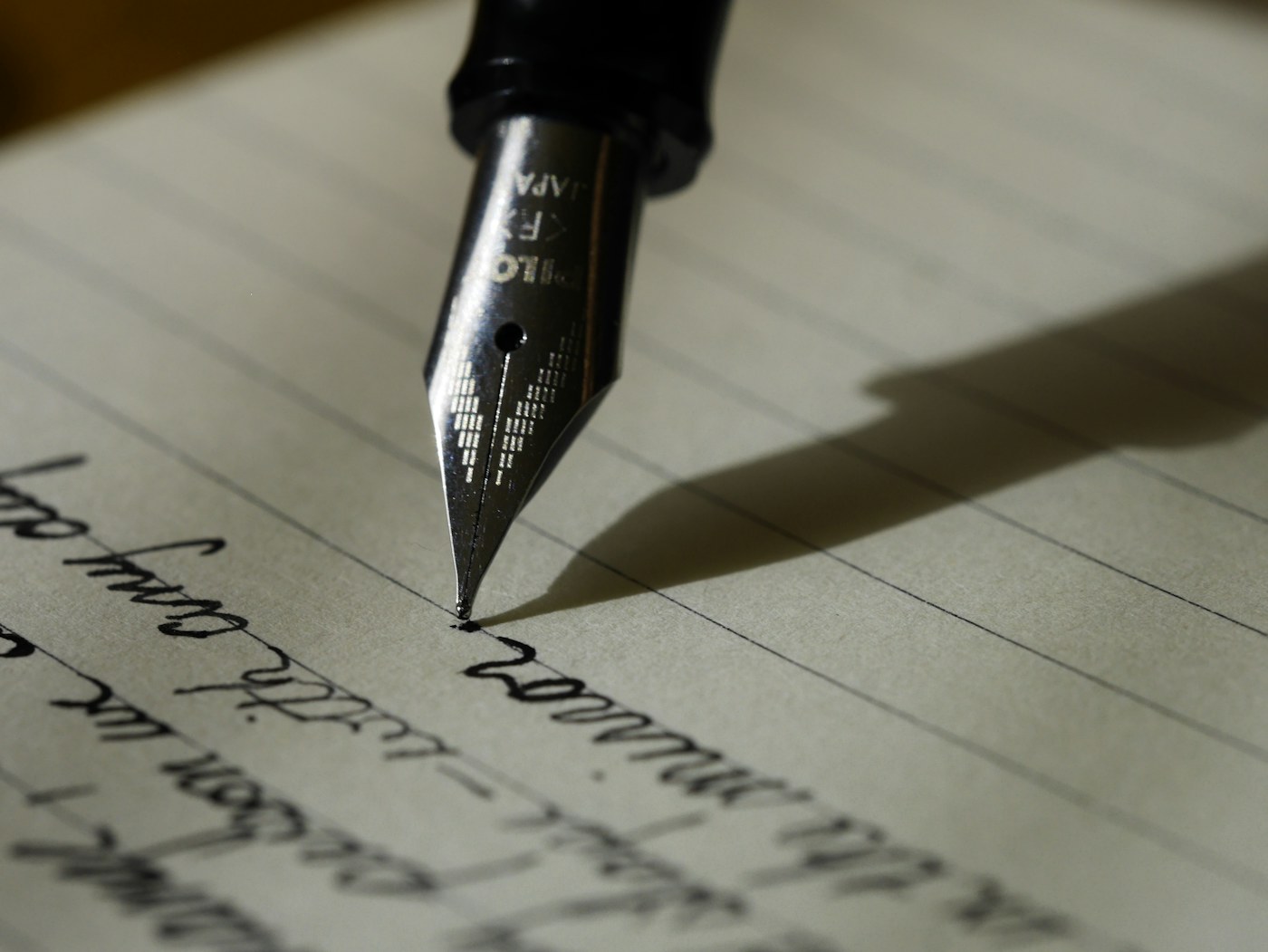
The more urgently a post makes you want to react, the more useful a brief pause can be.
Emotion moves faster than context
A screenshot may omit a date, a clip may leave out what happened before, and a quotation may lose its original meaning. Short content travels easily, but it can hide what is missing. Before expressing a strong view, it helps to establish exactly what you are responding to.
A few ordinary checks
Look for the original publisher, confirm the date and search for a fuller account. Compare independent sources where possible. If a statistic has no traceable origin, leave it out for now. Nobody needs to investigate every post professionally, but a claim someone made should not automatically become an established fact.
Sharing a claim also helps shape somebody else’s judgment.
A thought to take with you
If you later find an error, add a correction where readers can see it. Revising a statement is not a defeat. It makes discussion more dependable, especially when the original post has already traveled beyond you.
An opinion essay prepared by The Everyday Observer with AI assistance, not a field report or survey. Images illustrate themes rather than specific people or events.